Roadwork fee rules hit Leeds, Wakefield and Kirklees at rush hour

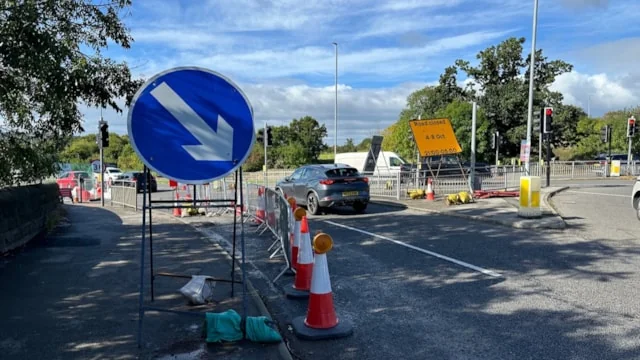
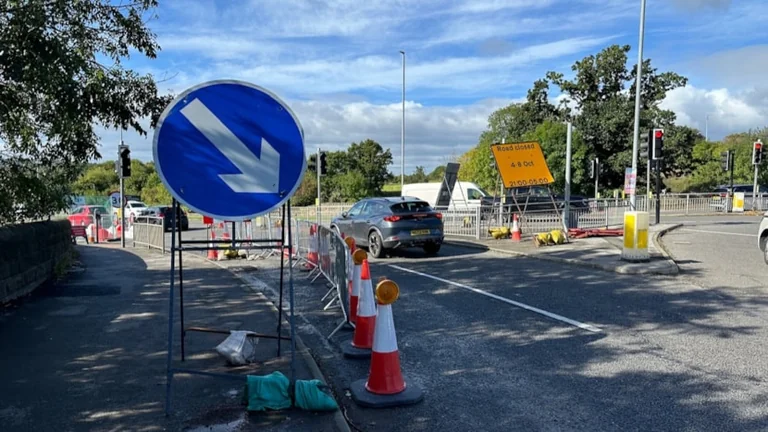
Three West Yorkshire councils are introducing a shared Lane Rental Scheme to make roadworks on key routes during peak periods more expensive for promoters. Leeds City Council, Wakefield Council and Kirklees Council said they will start charging organisations such as utilities and other works promoters for occupying road space at the busiest times, with charges reaching up to £2,500 per day.
The authorities have already secured Department for Transport approval and said the schemes are being launched simultaneously. That timing is intended to stop patchwork rules between councils, especially where a single works programme runs close to boundaries and affects people moving across Leeds, Wakefield and Kirklees.
What the scheme changes on high-traffic roads
The measure targets organisations carrying out works, not ordinary commuters. Under this model, the cost rises when lane occupation is scheduled in the busiest hours on the main routes, creating a direct financial reason to reduce peak-hour disruption. The councils’ shared approach is meant to encourage coordinated permits, more efficient sequencing of work and fewer avoidable delays during rush-hour movement.
Who is likely to pay and who is trying to protect mobility
The source points to utilities and similar works promoters as the groups most directly affected. For residents, the policy is not a new toll on people driving normal traffic. It is a pressure mechanism on large projects: either fund the disruption cost or plan outside the worst congestion windows. Councillors have also framed the change as support for cleaner traffic flow by cutting unnecessary stopping and queuing on key corridors.
What residents may notice on the ground
The most likely impact is less lane occupation at peak times on important routes. In practical terms, this could mean fewer surprise slowdowns linked to roadworks during morning and evening peaks where people are trying to get to work, school and services. The councils explicitly linked the schemes to protecting key bus routes, so bus reliability is a clear intended beneficiary of better-timed works.
Confirmed points, then unknown details
Confirmed facts from the release are clear: the three councils are coordinating the same charging logic, the rule exists across Leeds, Wakefield and Kirklees, and fees can rise to £2,500 per day at peak periods. What remains unconfirmed is the published list of qualifying routes, the exact permit windows, how penalty escalation is applied for repeated breaches, and the detailed exceptions process for urgent safety or emergency work. Residents should also expect operational details to be released as launch guidance, including where boundary coordination will be tightened and how appeals will be handled.
The practical picture
- Road users are more likely to notice changes in the timing, not in the existence, of works.
- Major contractors are encouraged to shift crews to quieter periods if they want to avoid higher charges.
- Bus passengers may see gains where works can be reorganised most effectively.
- Any effect on delivery firms, utilities and local businesses should show up through permit conditions rather than direct road-user billing.
What happens next
With implementation expected later this calendar year, the next measurable step is publication of operational details by each authority and the first permit decisions under the new rules. As Councillor Peter Carlill put it, the goal is to reduce disruption and delay for residents while giving councils more options to influence works behaviour.
Source: Leeds City Council
Context & actions About this article
Source check Source-based trail check
The article is built from the Leeds City Council release, with claims limited to the disclosed policy scope, fee cap, agencies involved and stated purpose.
- Confirms three councils in West Yorkshire are coordinating one Lane Rental Scheme rollout.
- Confirms potential charges can reach £2,500 per day for works at busiest times on key rout...
- Confirms Department for Transport approval is stated for the scheme design.
- Confirms the stated intended outcomes include reduced disruption, lower peak delays, reduc...
- Source
- Leeds City Council
- Scope
- Leeds, Wakefield and Kirklees (West Yorkshire)
- Updated
- 2026-08-05 12:17
Source check
Report a trust issue
Send a clear signal to community moderation if the source, facts or context need review.


Comments