Three steps Welsh livestock keepers need as BTV-3 rises
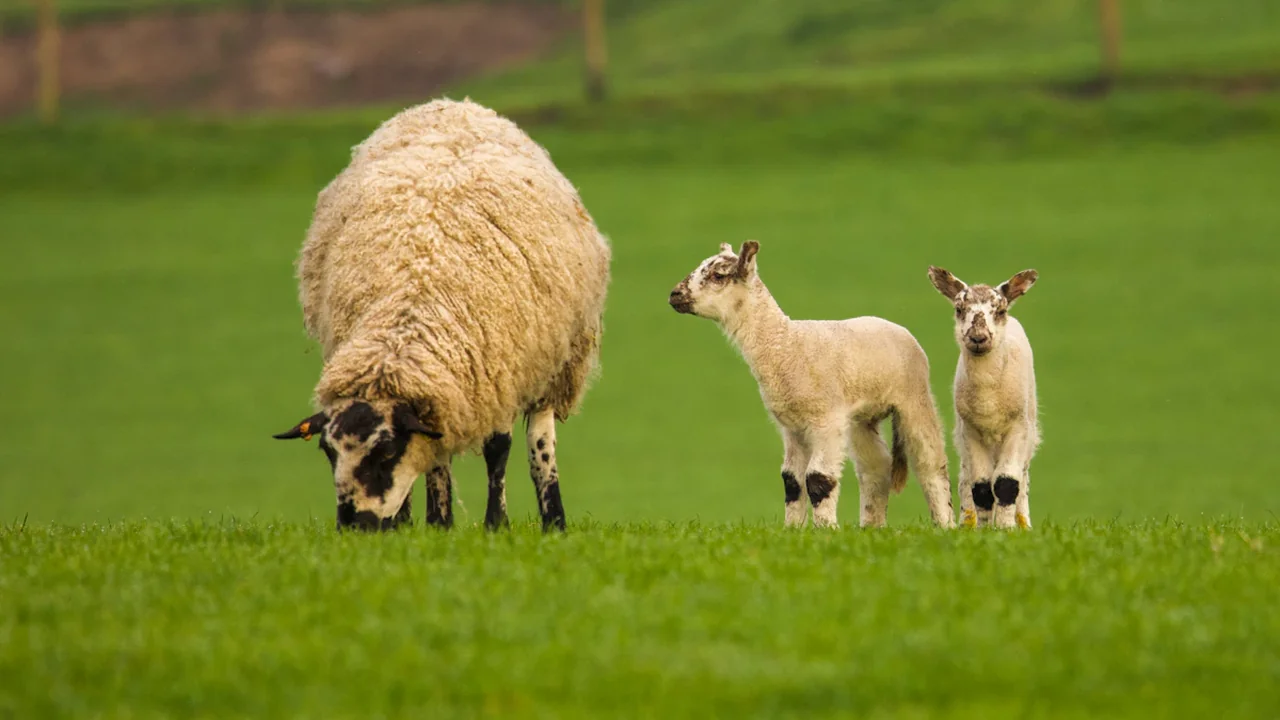
Farmers and livestock keepers across Wales are being urged to act as more cases of Bluetongue virus BTV-3 are confirmed in Wales and England.
The Welsh Government’s advice, published on 3 August 2026, centres on three immediate steps: check the Bluetongue status of replacement animals before buying or moving them, discuss vaccination with a vet and report any suspected infection to the Animal and Plant Health Agency without delay.
BTV-3 cases are emerging during active transmission
Wales’ Chief Veterinary Officer, Richard Irvine, said the country is now within the active transmission period for Bluetongue. Cases involving cattle and sheep are emerging in different parts of Wales, while further infections have been identified in England, particularly in south-west counties.
The announcement does not give a case total or identify individual Welsh locations. Its warning applies to livestock keepers throughout Wales and focuses on reducing the chance of disease entering or affecting their herds and flocks.
Three immediate steps for livestock keepers
The Welsh Government has set out three practical actions:
- Check replacement animals: Establish the Bluetongue status of livestock before buying or moving them. This is intended to reduce the risk of unknowingly bringing the disease onto a farm.
- Discuss vaccination: Speak to a veterinary surgeon about Bluetongue vaccination. The government describes vaccination as the most effective way to protect herds and flocks from the effects of the disease.
- Inspect stock and report concerns: Remain alert for suspected Bluetongue and report concerns promptly to the Animal and Plant Health Agency.
The source announcement does not provide vaccination prices, product details or a treatment schedule. Those decisions should therefore be discussed directly with a vet in relation to the animals concerned.
Free movement makes sourcing checks more significant
An all-Wales Restricted Zone was introduced in November 2025. Since then, livestock have been able to move freely between England and Wales without movement restrictions.
That freedom of movement places greater emphasis on checks before animals change hands or arrive at a holding. Richard Irvine warned keepers to consider the disease status of replacements so they do not “buy more than you bargained for”.
The government notice does not describe a specific document or checking system that buyers must use. Its instruction is to consider the Bluetongue status of replacement animals before completing a purchase or movement.
Suspected cases should be reported promptly
Keepers are being asked to inspect cattle and sheep and know the signs that could indicate Bluetongue. The announcement itself does not list individual physical symptoms, so it should not be treated as a complete symptom guide.
Any case considered suspicious should be reported to the Animal and Plant Health Agency without delay. The agency is the named reporting point in the Welsh Government advice, while veterinary discussions should cover vaccination and protection of the herd or flock.
Source: Welsh Government Announcements
Context & actions About this article
Source check Source trail
This report was checked against the Welsh Government announcement covering the current BTV-3 warning and its three recommended actions.
- Confirmed that the advice applies to farmers and livestock keepers across Wales.
- Checked that replacement-animal status, veterinary vaccination advice and prompt APHA repo...
- Confirmed that the all-Wales Restricted Zone began in November 2025.
- Kept symptom, case-count and vaccination-cost details limited because they were not suppli...
- Source
- Welsh Government
- Scope
- Wales
- Updated
- 2026-08-03 09:22
Source check
Report a trust issue
Send a clear signal to community moderation if the source, facts or context need review.




Comments