Scotland urged to act before wildfire smoke rises
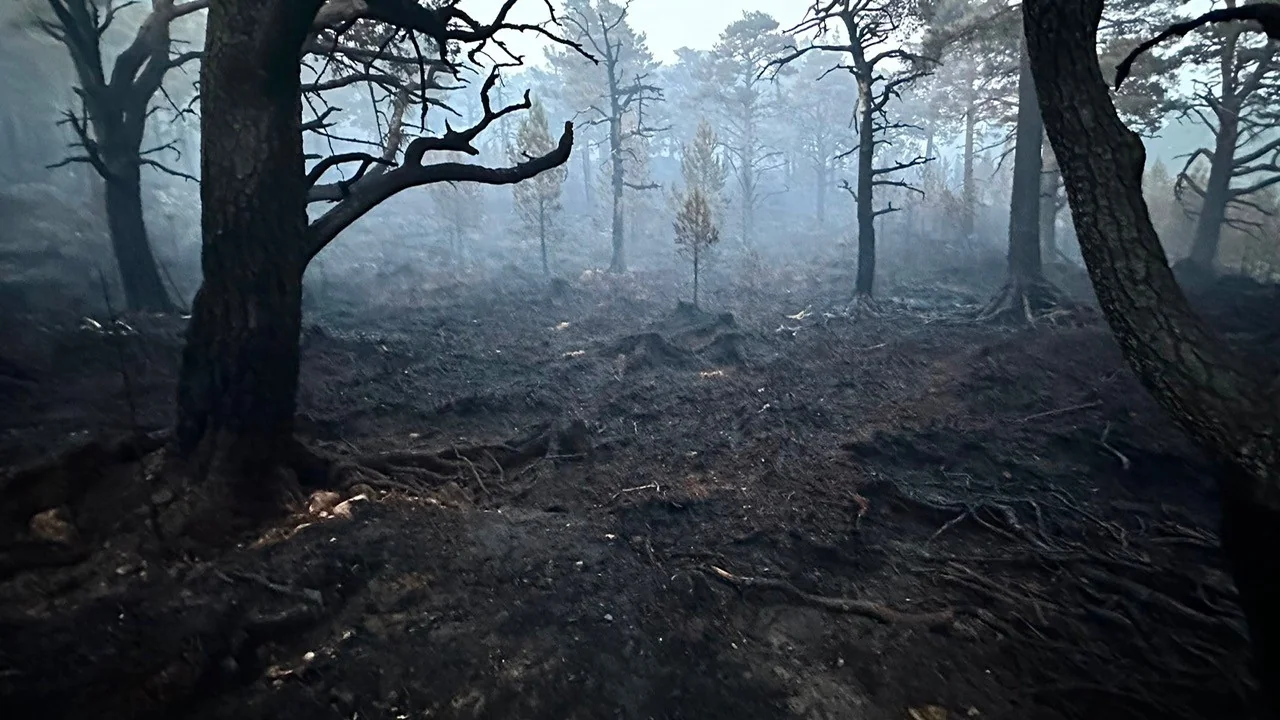
Scotland’s fire chief has called for wildfire prevention and preparedness to become a national priority after recent fires exposed the growing demands placed on communities, land managers and emergency services.
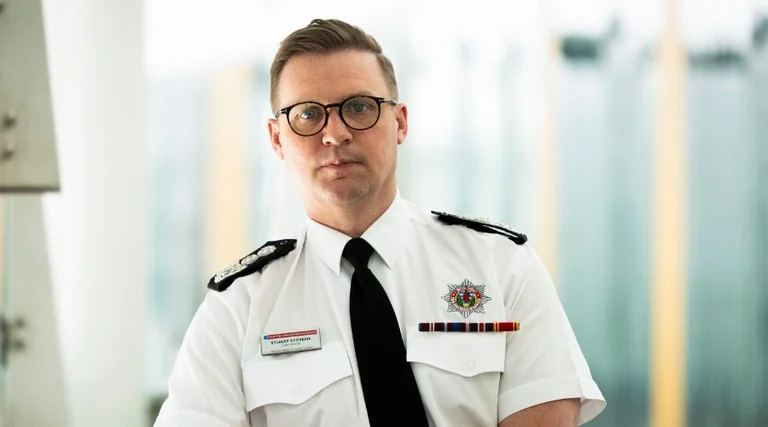
The warning was issued by the Scottish Fire and Rescue Service (SFRS) on 24 August 2026. Chief Officer Stuart Stevens said Scotland must act before fires begin rather than rely on emergency crews once smoke is already in the air.
What readers should know now:
- No new public duties or regulations have been announced.
- SFRS wants Scotland to consider a formal but proportionate wildfire fire-safety regime.
- Prevention would involve government, public services, land managers, businesses, communities and individuals.
- Formal reviews of the recent Cairngorms response are being commissioned, including an independently facilitated process.
Cairngorms response prevented losses to homes and lives
The national warning follows a prolonged wildfire in Cairngorms National Park. Stevens said the incident had significantly affected the local community, economy and natural environment, although the combined response prevented the loss of life, homes and infrastructure.
Firefighters and support personnel were deployed from across Scotland. Many came from on-call stations and balanced the response with other employment, family responsibilities and community commitments.
Stevens also thanked communities in and around Aviemore for supporting responders’ welfare during the incident. Public bodies, private organisations, land managers, national agencies and local communities were all involved in the wider operation.
Wildfire can threaten communities far beyond the fire line
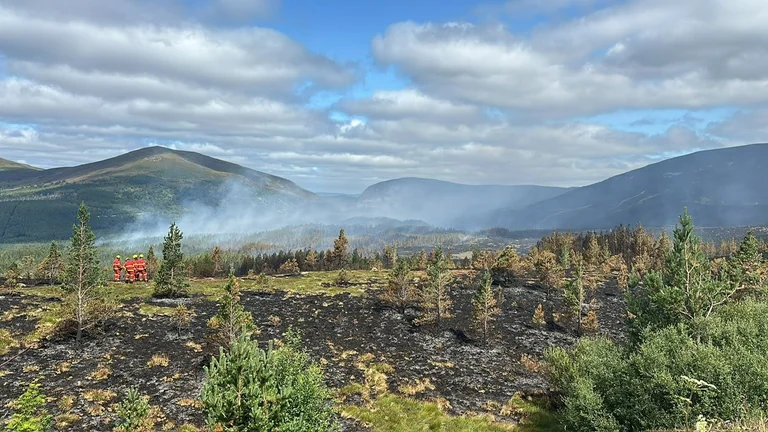
SFRS describes wildfires as weather-driven, unpredictable incidents that can change direction and intensity rapidly. They can spread over large areas, threaten nearby communities and infrastructure, damage habitats and place sustained pressure on emergency services and local partners.
The national structure of SFRS allowed specialist resources and personnel to be moved to the Cairngorms while crews continued responding to other emergencies. Stevens warned, however, that operational strength cannot replace preparation before an incident.
He said the pattern, duration and intensity of wildfires are evolving, making them a national resilience issue rather than solely an emergency-response problem.
Prevention plans would begin before conditions become critical
The proposed approach would seek to reduce the likelihood of fires starting and limit the conditions that allow them to spread. Priorities identified by SFRS include better access for responders, reliable water supplies, earlier identification of fires, public awareness and stronger land-management plans.
Local preparedness would also form part of the system. Authorities, land managers and communities would be expected to understand their roles before dangerous conditions develop, with clearer and more consistent planning across rural and natural environments.
Stevens said Scotland should consider whether those environments need defined fire-safety expectations comparable in purpose—not necessarily in form—to the established approach used for buildings. He stressed that any regime should be proportionate and should support land managers and communities without creating unnecessary burdens.
What communities and organisations are being asked to do
The statement does not introduce a new law or provide a detailed household safety checklist. Its immediate request is for prevention to become a shared responsibility rather than a task left solely to firefighters.
For public bodies, businesses and land managers, that means examining access, water provision, planning and the conditions that could accelerate a fire. For communities and individuals, SFRS identifies awareness, early identification and participation in local preparedness as parts of the preventive effort.
SFRS has already invested £1.6 million in specialist vehicles, training and equipment under its 2023 Wildfire Strategy. A tiered response capability is positioned at 37 locations across Scotland, with further development being considered through the Service Delivery Review.
Independent review will examine the Cairngorms operation
Stevens has commissioned several formal debriefs to capture lessons from the Cairngorms wildfire. One will be independently facilitated so partner agencies and community representatives can contribute to the review.
SFRS will also continue working through the Scottish Wildfire Forum and with the Scottish Government on the Wildfire Strategic Action Plan launched earlier in 2026. No timetable for a new safety regime has been announced, but Stevens said future planning must involve sustained investment and a long-term national commitment to prevention as well as response.
Source: Scottish Fire and Rescue Service News
Context & actions About this article
Source check Source trail
This report was prepared from the dated SFRS announcement and Chief Officer Stuart Stevens’s accompanying statement.
- Confirmed the warning was published on 24 August 2026.
- Separated the proposed fire-safety regime from any rules already in force.
- Checked the stated £1.6 million investment and 37-location response network.
- Retained the confirmed next steps covering formal debriefs and an independently facilitate...
- Source
- Scottish Fire and Rescue Service News
- Scope
- Scotland
- Updated
- 2026-08-31 19:15
Source check
Report a trust issue
Send a clear signal to community moderation if the source, facts or context need review.


Comments