Rare birds of prey are turning Bournemouth and Poole into a wildlife hub
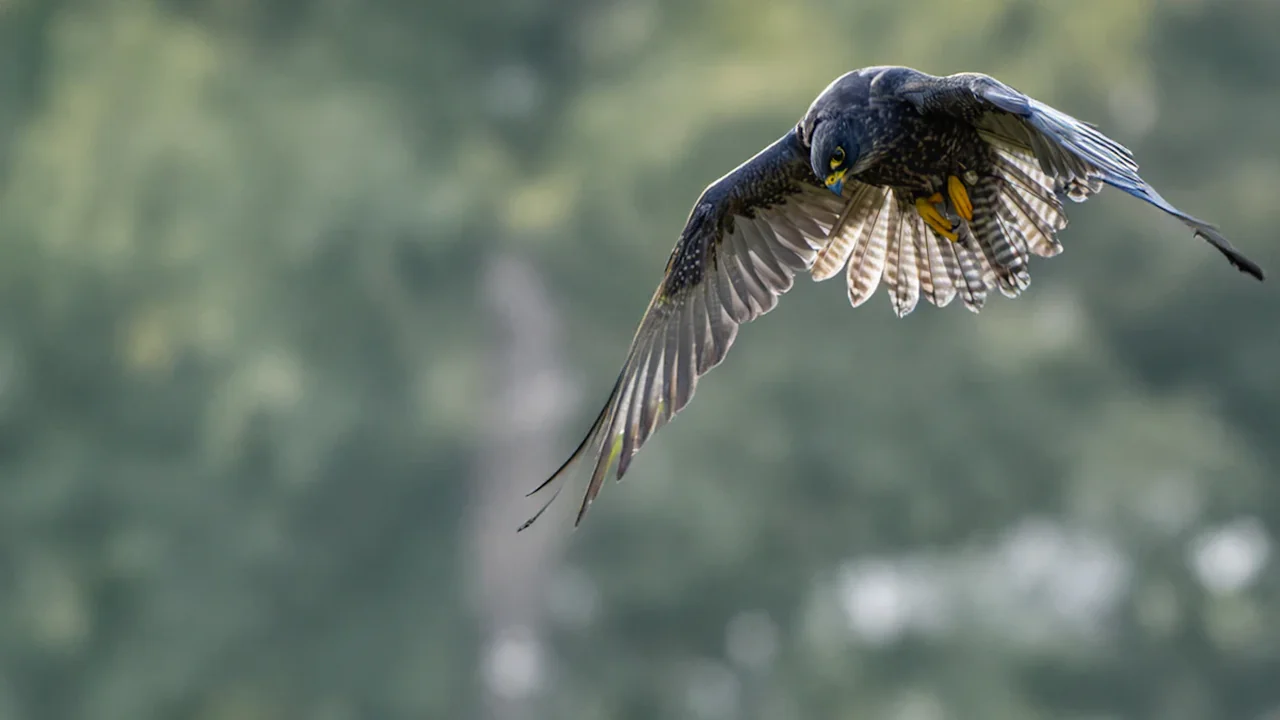
Residents and visitors in Bournemouth, Christchurch and Poole (BCP) are being encouraged to look up this August, as the region experiences an unusual influx of some of the UK’s most spectacular birds of prey. The BCP area has established itself as a premier location for raptor spotting, offering a unique environment where apex predators thrive across a diverse landscape of urban rooftops, busy harbours, and protected heathlands.
Prime Vantage Points for Raptor Spotting
For those hoping to catch a glimpse of these birds, several locations have been identified as key vantage points. Poole and Christchurch harbours are currently the most significant hotspots, providing excellent opportunities to observe white-tailed eagles, ospreys, and marsh harriers.
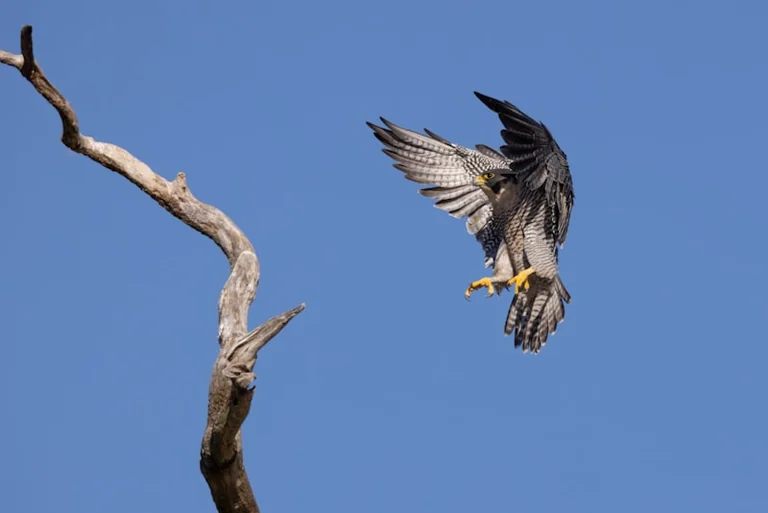
For a more urban experience, the town centres of Bournemouth and Poole provide consistent sightings of peregrine falcons, the world’s fastest bird, which are frequently seen patrolling tall buildings and rooftops. Other recommended sites for enthusiasts include:

- Ham Common and Lytchett Bay: Excellent vantage points for a variety of species.
- Heathlands: Dunyeats Heath, Corfe Hills, St Catherine’s Hill, and Canford Heath are prime locations for spotting hobby, buzzard, and red kite.
- Upton Country Park: A reliable site for observing both peregrine falcons and ospreys.
The Return of Apex Predators
This surge in sightings is the result of long-term nature recovery efforts. The osprey population in Poole Harbour has seen a successful resurgence following a reintroduction programme launched in 2017 by the Birds of Poole Harbour and the Roy Dennis Wildlife Foundation. By 2022, the birds achieved their first successful breeding in southern Britain in nearly two centuries, a trend that has continued with further hatchings this year.
Similarly, the white-tailed eagle—the UK’s largest bird of prey with a wingspan of up to eight feet—has returned to Dorset. Following their local reappearance in 2021, the species successfully bred in the county in 2025 for the first time in over 240 years. Poole Harbour remains a local stronghold for these birds, which feed primarily on fish and waterbirds.
Reader Context: Wildlife Watching Guidelines
As part of the ‘BCP – the UK’s wild urban coast’ campaign, the council is urging the public to visit these sites responsibly. While the birds are becoming a more common sight, observers are encouraged to enjoy the wildlife without disturbing the natural habitats that allow these species to flourish.
For those interested in a more structured experience, the Birds of Poole Harbour (BOPH) organisation operates regular cruises designed to spot ospreys and other local birdlife. The Dorset Raptor Study Group continues to monitor these movements to better understand the success of the local reintroduction programmes, and the public is encouraged to share their sightings to assist in these ongoing conservation efforts.
Source: Bournemouth Christchurch and Poole Council
Context & actions About this article
Source check Verified Council Report
This report is based on official data provided by the BCP Council regarding local wildlife recovery and raptor migration patterns.
- Cross-referenced with BCP Council news hub
- Verified species reintroduction timelines with local conservation data
- Source
- BCP Council News Hub
- Scope
- Bournemouth, Christchurch and Poole
- Updated
- 2026-08-07 10:35
Source check
Report a trust issue
Send a clear signal to community moderation if the source, facts or context need review.




Comments