Rare ancient woodland fragments discovered across the Outer Hebrides
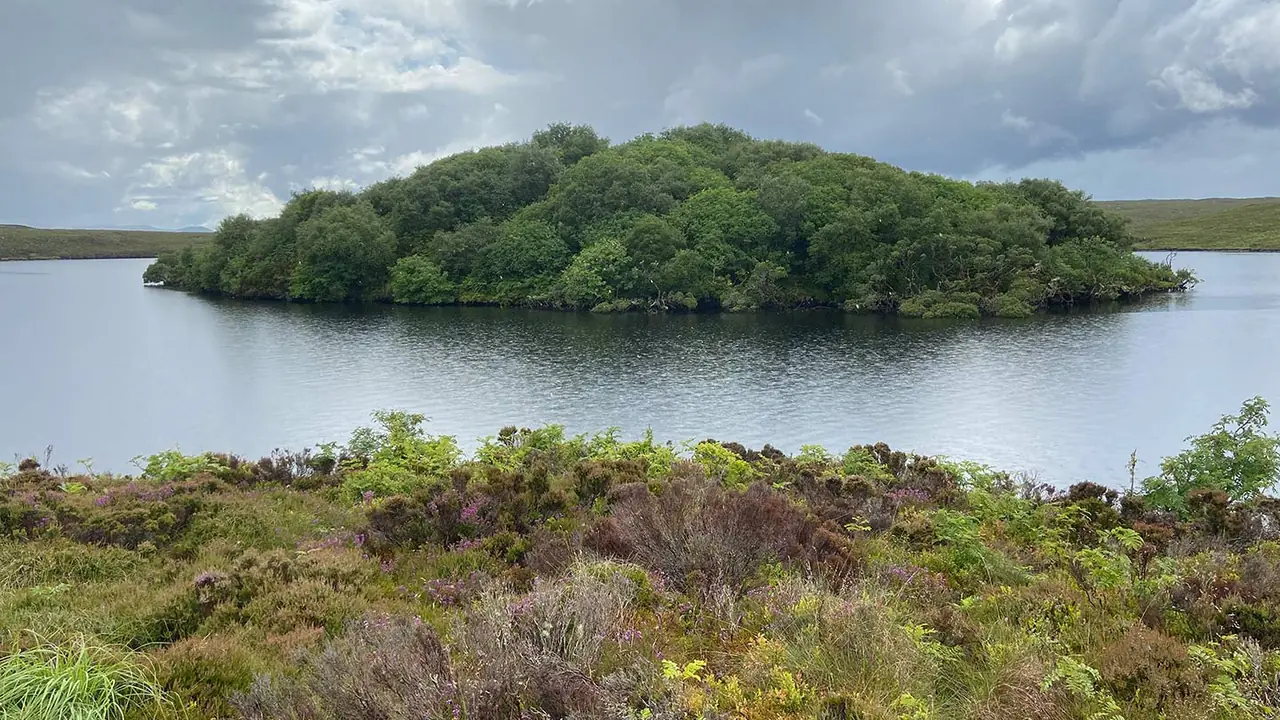
A comprehensive survey of the Outer Hebrides has identified 33 surviving fragments of ancient woodland, some of which are so remote they can only be reached by kayak or rope access. The findings, published in the latest edition of Scottish Forestry, mark the most significant assessment of these rare habitats in decades.
Commissioned by Woodland Trust Scotland and funded by the Point and Sandwick Trust, the Western Isles Native Woodland Survey 2022–26 highlights the hidden botanical history of the islands. While the Western Isles are often perceived as treeless, the report confirms that native species like willow and rowan still cling to sheltered gullies and small, isolated islets. The research, conducted by Harris-based ecologist Robin Reid of Redwing Ecological Surveys Ltd., provides a scientific foundation for future conservation efforts.
Prioritizing restoration for 15 key sites
Following the survey, researchers have designated 15 specific locations as high-priority areas for protection and expansion. Woodland Trust Scotland is now initiating contact with the landowners of these sites to provide management advice, ecological support, and assistance in securing funding for restoration projects. The goal is to ensure these fragments serve as a vital seed resource, supporting the future expansion of native woodland across the archipelago.
This initiative builds on a decade of community-led environmental work, including the planting of nearly 300,000 native trees on local crofts. By focusing on these ancient remnants, conservationists hope to create a resilient landscape that reflects the islands’ historical ecology, which is often hinted at in local Gaelic place names.
Community action on the Carloway Estate
Local land managers are already moving to protect these habitats. At the community-owned Carloway Estate, the Urras Oighreachd Chàrlabhaigh trust has identified Eilean Cleit Surraidh as a site threatened by invasive rhododendron. The estate has begun active removal of the species to safeguard the existing willow and rowan populations. While follow-up efforts are scheduled for spring 2027 to ensure eradication, the trust reports that the invasive spread has already been significantly set back.
Beyond invasive species management, the estate is implementing a new conservation strategy that includes excluding livestock from loch islands and riparian sections of the Carloway River. These measures are designed to benefit local salmonid populations, which rely on the health of these wooded riverbanks. A community-led deer management plan is also being developed to ensure the long-term resilience of the newly protected areas. These efforts underscore a shift in local land management, where protecting historic woodland is increasingly viewed as an essential component of the islands’ environmental and economic health.
Source: Woodland Trust Press Releases
Context & actions About this article
Source check Source Verification
The details of this report were cross-referenced with the official Western Isles Native Woodland Survey 2022–26 findings.
- Verified survey findings with Woodland Trust Scotland press documentation.
- Cross-referenced project funding sources with Point and Sandwick Trust reporting.
- Confirmed local estate management actions via Carloway Estate Trust statements.
- Source
- Woodland Trust Press Releases
- Scope
- Outer Hebrides
- Updated
- 2026-11-27 09:42
Source check
Report a trust issue
Send a clear signal to community moderation if the source, facts or context need review.




Comments