Beamish reveals the North East’s overlooked Black histories

Beamish Museum’s Black History Month research traces how Black lives and campaigns against racism have shaped North East England over centuries. The museum’s Head of Story, Rachael Lennon, and Assistant Curator, Cassandra Robson, describe connections reaching from an escaped enslaved woman in North Shields to local campaigns for fairer trade and international solidarity.
Black lives in the North East across generations
Black people have lived and worked in the region for centuries, though their stories have often been less visible in accounts of its past. Among them was Mary Ann Macham, who escaped enslavement in Virginia and lived in North Shields for more than 60 years during the 1800s. The museum also points to West Indies House residents in Newcastle during the Second World War and Irene Ighodaro, who became the first woman from Sierra Leone to qualify as a doctor in Newcastle, in 1944.
In 1792, abolitionist Olaudah Equiano travelled through the North East on a book tour. Enslaved in Nigeria as a child and taken to the Caribbean, he gained his freedom in 1766. After visiting Newcastle, Durham, Stockton and Yorkshire, he thanked the region for its “fellow-feeling for the Africans and their cause.”
Local campaigns linked everyday choices to slavery
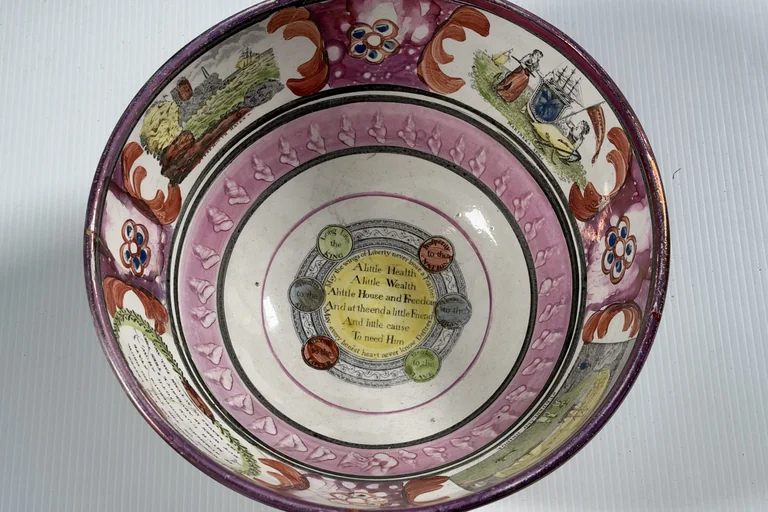
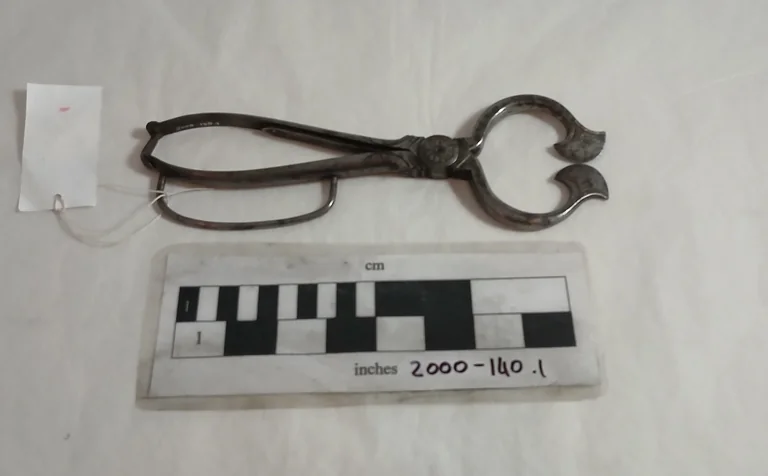
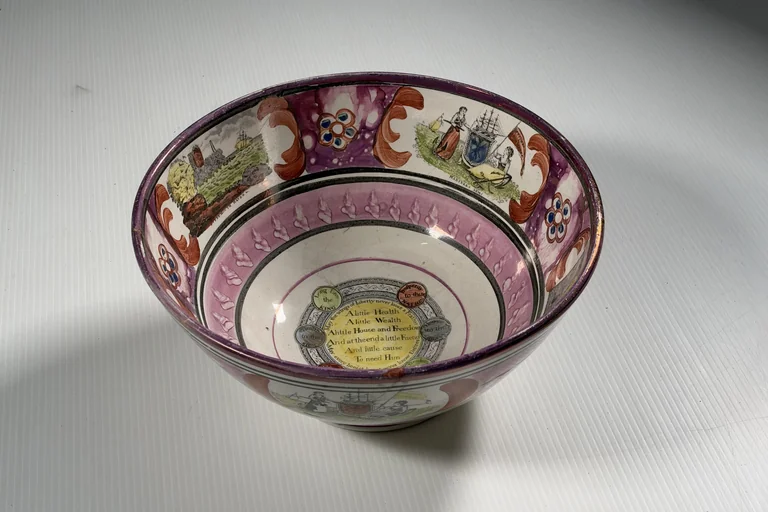
Equiano’s visit coincided with a UK-wide sugar boycott, organised largely by women to discourage buying sugar produced by enslaved labour in America and the Caribbean. Beamish’s collection includes silver sugar cutters and a Sunderland lustreware bowl made around 1820, decorated with the words “Freedom to the Slave”. The objects show how household goods and consumer choices connected local life to global trade.
The museum’s research also describes North East residents who invested in and profited from slavery, alongside regional production of shackles and other equipment used to control enslaved people. Quaker sisters-in-law Anna and Ellen Richardson, based in Tyneside, hosted abolitionist Frederick Douglass in the region in the 1830s and later helped purchase his legal freedom in 1846.
By the 1850s, a network centred on the Richardsons had helped develop the British Free Produce Movement, led largely from Newcastle. Its campaign asked consumers to choose goods made without enslaved labour. Thirteen of the movement’s 26 Free Labour Associations were based in North East England, though the museum notes that the campaign’s success is difficult to assess amid Britain’s wider colonial trade.
Solidarity continued beyond abolition campaigns
Beamish traces regional connections to racial justice through later events, including activist Ida B. Wells’s visits to Sunderland and Newcastle in the 1890s and Newcastle University’s honorary degree for Martin Luther King Jr in 1967. The museum also cares for Durham Miners’ Association banners and objects linked to campaigns against fascism and apartheid.
In 1979, Newcastle-based Traidcraft, now Transform Trade, co-founded the UK’s Fairtrade Foundation. During the 1980s miners’ strike, black South African miners sent financial aid to striking miners’ families in Durham. Beamish says it has signed the North East Anti-Racism Coalition’s Become the Bridge pledge, committing to challenge racism in the region.
Source: Beamish Museum News
Context & actions About this article
Source check Source note
This article follows the museum’s Black History Month research and preserves the historical details and limits stated in its account.
- Names and roles of the museum staff are taken from the source.
- Dates and places are retained as stated in the museum account.
- The source’s caveat about assessing the Free Produce Movement’s success is preserved.
- Source
- Beamish Museum News
- Scope
- North East England
- Updated
- 2026-10-30 15:41
Source check
Report a trust issue
Send a clear signal to community moderation if the source, facts or context need review.


Comments