North Yorkshire shoppers warned over AI fake shop sites
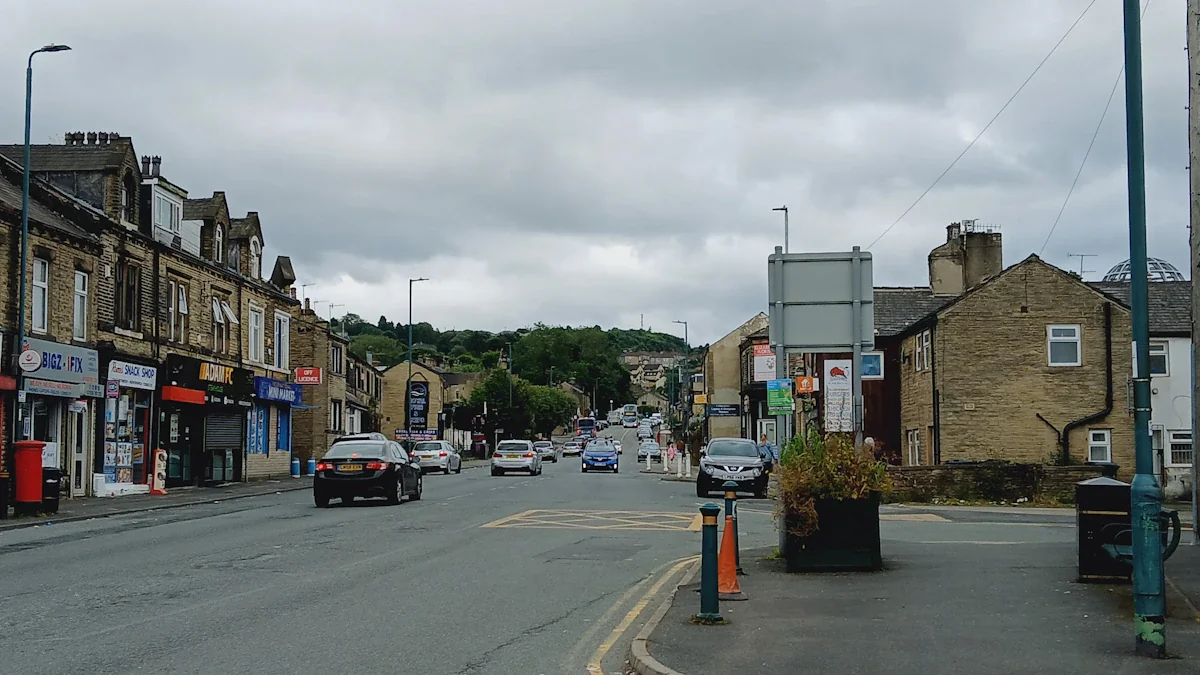
Online shoppers in North Yorkshire are being urged to check who they are buying from before paying, after trading standards officers reported a rise in complaints about AI-generated scam websites posing as familiar UK high street retailers.
North Yorkshire Council says residents have been caught by polished websites that appear to show physical shops, happy customers and recognisable-looking UK street scenes. In many cases, the businesses are not genuine local or national retailers, and the goods are being sold by overseas sellers, mainly based in China.
Trading standards officers are now receiving complaints from around 20 residents each month from people who believed they were dealing with legitimate UK businesses. Some have lost money altogether, while others have received poor-quality or potentially unsafe goods and then struggled to get a refund.
Fake shopfronts are being used to win trust
The warning focuses on websites and social media adverts that borrow the look and language of established UK high street retailers without being connected to them.
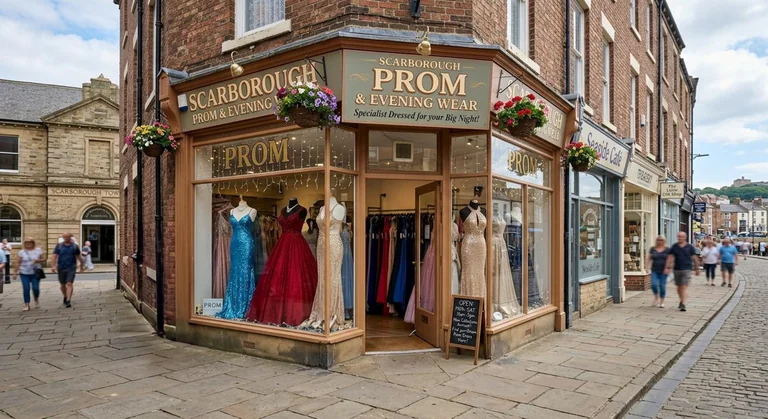
The sites can appear convincing at first glance. North Yorkshire trading standards officers say some use AI-generated imagery, including smiling customers and shopfronts that look as though they are in London or other UK towns and cities. The written descriptions may also be generated or copied to create the impression of a professional British business.
That presentation can hide basic warning signs. A website may not provide clear contact details, may give vague returns information, or may claim to be a UK company without verifiable records. In other cases, the social media account or website may have been created only recently.
The risk for shoppers is not limited to losing the purchase price. If goods come from anonymous or hard-to-trace overseas sellers, it can be difficult to enforce consumer rights, return items, challenge unsafe products or recover money after non-delivery.
Around 20 complaints a month in North Yorkshire
Councillor Richard Foster, North Yorkshire Council’s executive member for managing the environment, whose responsibilities include trading standards, said officers are seeing a steady pattern of complaints.
“Trading standards officers are now receiving complaints from around 20 residents every month who thought they were buying from genuine UK businesses,” he said.
“Instead, many have either lost their money entirely or received poor quality, and potentially unsafe, goods.”
He added that many people later find it is “virtually impossible” to return the items or obtain a refund, leaving them out of pocket.

The warning comes as AI tools make it easier for dishonest sellers to create realistic-looking images, product descriptions and brand-style web pages at speed. For shoppers, that means the old advice of judging a site by whether it looks professional is no longer enough.
Checks to make before clicking buy
Residents are being asked to take a few minutes to check the seller before entering card details or personal information.
The most useful checks are simple:
- Look for full business contact details, including a verifiable address and customer service route.
- If contact details are missing, unclear or impossible to verify, do not proceed with the purchase.
- If a website shows a shopfront, compare it with online street maps to see whether the shop appears to exist at that location.
- Read reviews and social media comments carefully, especially recent complaints about delivery, returns or poor-quality goods.
- Check when the website and its social media accounts were created. Newly created accounts can be a warning sign.
- If the business claims to be a limited company, check the company details through the government’s business and industry records to see who operates it and when it was set up.
Shoppers should also be wary of heavy discounts that appear only through social media adverts, countdown timers that pressure immediate payment, and return policies that sound reassuring but give no practical route for sending goods back.
AI makes scams harder to spot at a glance
Councillor Foster said AI has legitimate uses but is increasingly being used to mislead shoppers who might otherwise avoid anonymous overseas sellers and choose reputable UK businesses.

“I would strongly urge people to spend a few minutes confirming who they are buying from and questioning whether a business and its products really are as they are being advertised,” he said.
For families trying to keep costs down, the danger is that a convincing bargain can look safer than it is. A professional image of a shop, a British-sounding brand name or a page filled with positive-looking product photos does not prove that a retailer is based in the UK or that refunds will be available.
Where to report a suspicious site or failed delivery
Anyone who wants to report a website, or needs advice about faulty goods or non-delivery, can contact the Citizens Advice Consumer Helpline on 0808 223 1133.
The service can also be reached by webchat through the Citizens Advice website. Reports help trading standards officers identify patterns, warn other shoppers and take action where enforcement routes are available.
Source: North Yorkshire Council
Context & actions About this article
Source check Source trail
This article is based on North Yorkshire Council’s 2026 warning about AI-made shopping scam websites and local complaint patterns.
- Identified the affected area as North Yorkshire from the council warning.
- Retained the reported figure of around 20 resident complaints each month.
- Separated confirmed trading standards advice from general shopper caution.
- Included the official Citizens Advice Consumer Helpline number given in the source.
- Source
- North Yorkshire Council
- Scope
- North Yorkshire
- Updated
- 2026-05-27 12:13
Source check
Report a trust issue
Send a clear signal to community moderation if the source, facts or context need review.


Comments