Europe’s Heat Waves Are Becoming Silent Killers

By demoduck.co.uk International Desk
As much of Europe faces another severe spell of dangerous heat, health experts are warning that high temperatures can be deadly long before they look like an emergency.
The immediate advice is simple: avoid strenuous activity in the hottest part of the day, drink water regularly, stay out of direct sun where possible, and check on older relatives, neighbours and anyone with existing health problems. Heat risk rises quickly when nights stay warm, homes do not cool down, or people have to work outdoors.
Across Europe, national weather services have issued high-level heat alerts in countries including France, Spain, Italy, Hungary, Croatia, Romania and Poland. For UK readers, the warning matters because extreme heat is no longer only a southern European problem. Cities and homes built for cooler climates can become unsafe when temperatures stay high for several days.
Why Heat Can Kill Without Warning
Heat waves are sometimes called silent killers because their health impact is often hidden. Unlike storms or floods, they may not produce dramatic images of damage. Instead, the danger builds inside homes, care settings, workplaces and city streets.
Deaths linked to heat are not always recorded as “overheating”. They may appear as heart attacks, respiratory failure, kidney strain or complications in people who were already medically vulnerable. That makes the true toll harder to see in real time.
The body normally cools itself through sweating and increased blood flow to the skin. When temperatures stay high, especially with humidity or warm nights, that system can be overwhelmed. Heat stress can worsen heart and lung disease, trigger dehydration, and make some medicines harder to manage safely.

Who Faces The Highest Risk
Older people are among the most vulnerable, particularly those living alone or in homes that retain heat. People with heart disease, breathing conditions, diabetes, kidney disease or mobility problems also face higher risk.
Babies and young children can overheat faster than adults. Outdoor workers, delivery riders, construction staff and agricultural workers may be exposed for long periods, especially when shade, breaks and water are limited.
There is also a climate adaptation gap. In northern Europe, including parts of the UK and Scandinavia, many homes and public buildings were designed to keep heat in, not let it out. Air conditioning is less common than in Mediterranean countries, and residents may be less used to changing routines during extreme temperatures.
What The European Evidence Shows
Researchers cited in the Lithuanian report examined mortality data from 854 European cities and towns, each with more than 50,000 residents, and compared deaths with temperature patterns. The areas studied covered about 30% of Europe’s population.
Their modelling suggested that summer heat waves in the previous year may have contributed to more than 24,000 deaths across the studied locations. In a modelled cooler world without the warming effect of human-driven carbon dioxide emissions, the researchers estimated that the number of heat-related deaths would have been about three times lower.
The same approach applied to 2022, one of Europe’s hottest recent summers, suggested that heat waves may have contributed to more than 61,000 deaths. The figures are estimates, not individual death certificates, but they point to a clear public health pattern: as temperatures rise, mortality risk can increase faster than societies adapt.
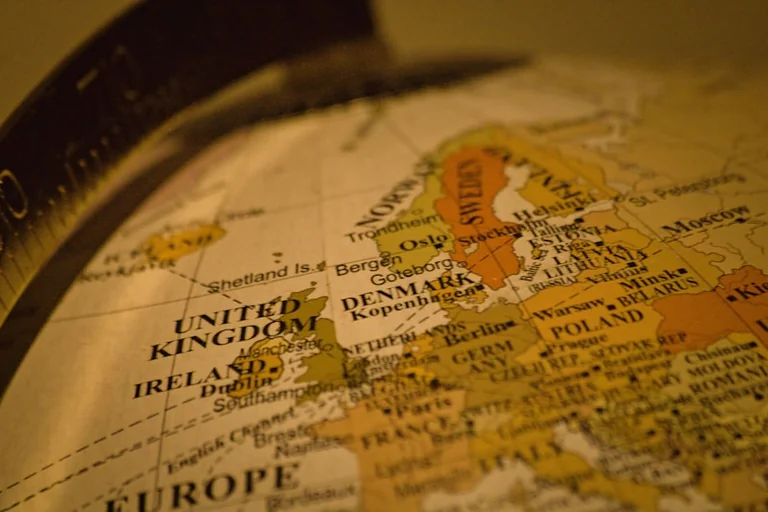
The city pattern is also revealing. Larger southern capitals such as Rome, Athens and Bucharest recorded high heat-related death burdens. But when researchers looked at the share of heat deaths attributed to climate change, northern and central European cities such as Stockholm, Madrid and Bratislava ranked prominently. That reflects how sudden increases in heat can be especially damaging in places historically adapted to cooler weather.
How To Reduce Danger During Extreme Heat
Public health advice is most effective when it is followed early, not only once someone feels unwell. During heat alerts, residents should keep indoor spaces as cool as possible by closing curtains on sun-facing windows, opening windows when outside air is cooler, and spending time in cooler public places if home temperatures become unsafe.
People should drink water regularly and limit alcohol, heavy meals and intense exercise during the hottest hours. Anyone working outdoors should take scheduled shade breaks and report symptoms early.
Warning signs include dizziness, confusion, headache, nausea, unusual tiredness, rapid heartbeat, fainting or hot dry skin. If someone becomes confused, collapses, or stops responding normally, it should be treated as a medical emergency.
The broader response is now moving beyond personal behaviour. European governments and city authorities are being pushed to redesign streets, housing, workplaces and transport systems for hotter summers. That includes more shade, cooler building standards, heat-safe work rules and emergency plans for vulnerable residents.
The central message for UK readers is that heat waves do not need to look catastrophic to be dangerous. When temperatures remain extreme for several days, the safest response is practical, early and shared: cool the body, reduce exposure, and check on the people least able to protect themselves.
Source: infoerdve.lt
Context & actions About this article
Source check Source trail
This article adapts a Lithuanian report on European heat-related mortality and adds UK-facing public safety context.
- Checked that the adaptation keeps the geographic scope European rather than UK-only.
- Separated reported modelling estimates from direct confirmed death counts.
- Preserved the practical heat-safety advice near the top for readers.
- Included an independent search query for the cited European heat mortality research.
- Source
- infoerdve.lt
- Scope
- Europe
- Updated
- 2026-06-30 14:26
Source check
Report a trust issue
Send a clear signal to community moderation if the source, facts or context need review.


Comments