Why Cambridge babies are in a COVID-diabetes trial
Reported by the demoduck.co.uk editorial team from information published by Cambridge University Hospitals.
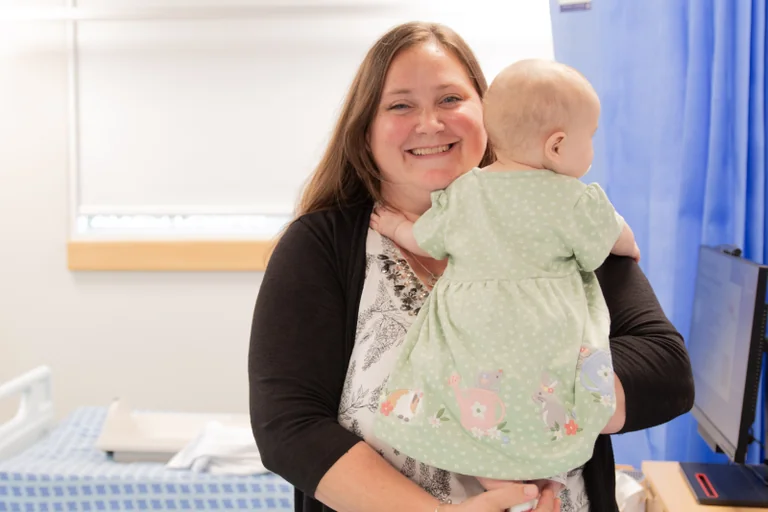
In September 2025, baby Elizabeth received the first of three trial vaccinations at the NIHR Cambridge Clinical Research Facility. Her mother, Nicole, has type 1 diabetes and enrolled her after newborn genetic screening indicated that Elizabeth faced a higher risk of developing the condition.
Elizabeth is among around 20 babies recruited across the East of England to AVAnT1A, an international study testing whether protection against SARS-CoV-2 could reduce early biological signs associated with type 1 diabetes. Participants receive either three doses of a COVID vaccine or a placebo between six and 12 months of age.
“This trial could mean Elizabeth doesn’t have to live her life with diabetes,” Nicole said. She also values the additional monitoring because it could identify warning signs earlier, even if the intervention does not prevent the condition.
Viral infections underpin the trial hypothesis
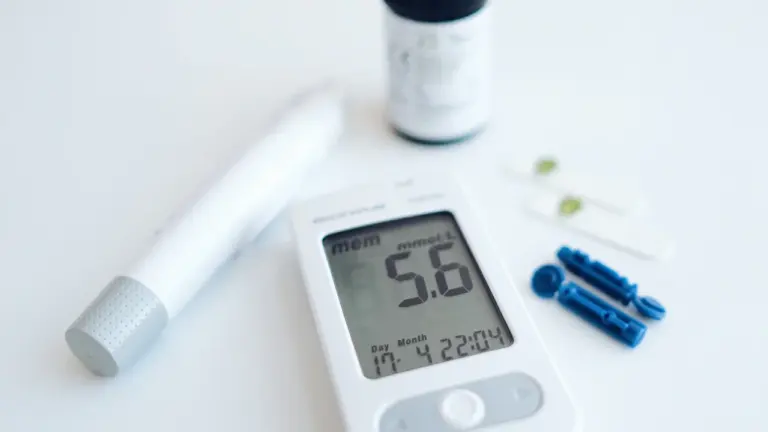
Type 1 diabetes develops when the immune system attacks insulin-producing cells in the pancreas. People with the condition usually require lifelong insulin treatment and regular blood-sugar monitoring.
The trial is based on evidence gathered during the COVID pandemic. According to Cambridge University Hospitals, children under 18 months with a high genetic risk who contracted SARS-CoV-2 were five times more likely to develop proteins in their blood linked with progression towards diabetes.
Researchers are therefore testing a specific hypothesis: preventing SARS-CoV-2 infection through vaccination might reduce one potential trigger in genetically susceptible children. The study is not based on a claim that COVID causes every case of type 1 diabetes, or that vaccination is already proven to prevent the condition.
One marker researchers will examine is the presence of islet antibodies. These proteins indicate that the immune system has attacked insulin-producing pancreatic cells and can be an early sign that type 1 diabetes may develop.
Newborn screening identifies babies who may qualify
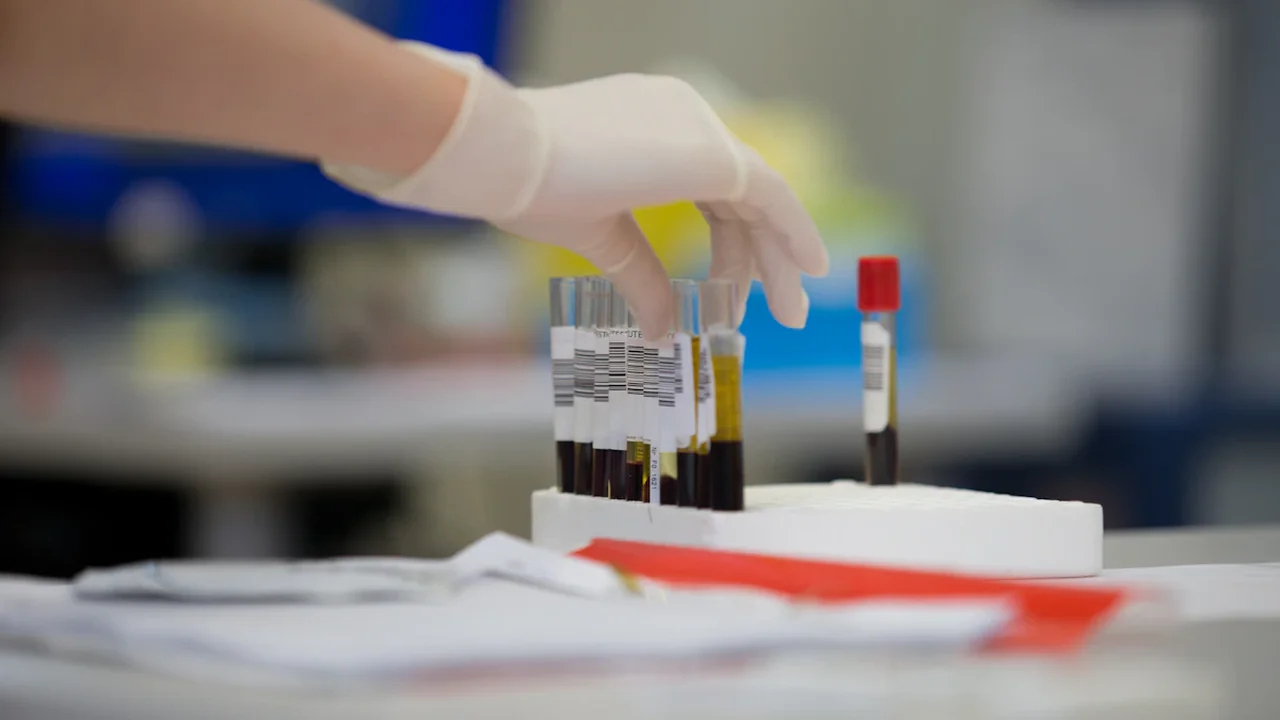
Families with babies younger than six weeks are being offered genetic risk screening through a related study called INGR1D2. The analysis can use blood already collected during newborn screening, so the process does not require an additional sample.
Around 8,000 babies across the East of England had undergone INGR1D2 screening when Cambridge University Hospitals reported the figures. Families may be invited to AVAnT1A when the result identifies a high risk; children entering the treatment trial are predicted to have at least a one-in-ten chance of developing type 1 diabetes by age six.
The published information does not describe AVAnT1A as open self-enrolment for every family. Participation follows the newborn screening pathway and an invitation based on genetic risk.
Approved vaccine and long-term monitoring form the safeguards
The COVID vaccine used in the trial is approved for children in the participating age group, according to Cambridge University Hospitals. However, approval for infant use is separate from the question AVAnT1A is investigating: whether vaccination can help prevent early signs of type 1 diabetes.
Because some babies receive a placebo, researchers can compare outcomes between groups. The source does not identify which product is used or provide detailed adverse-event procedures, so parents considering participation would need those points explained by the trial team during the consent process.
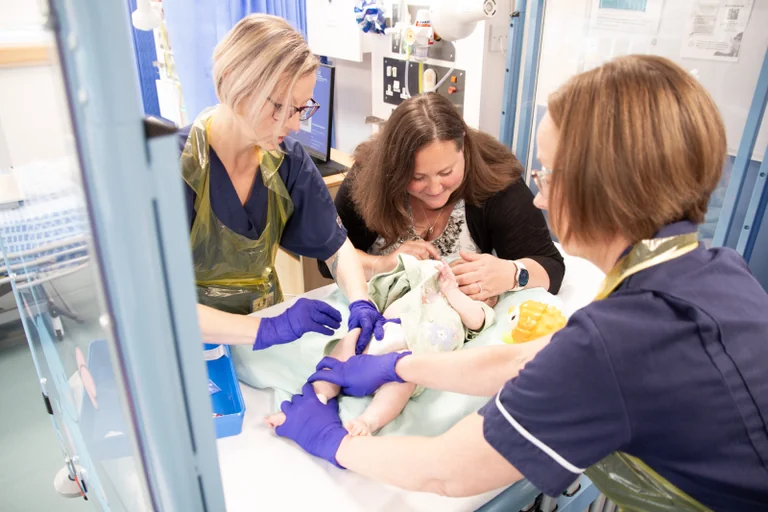
Children will be monitored until age six through regular visits and the collection of blood, saliva and stool samples. Researchers will look for viral infections, islet antibodies and other indicators associated with diabetes development.
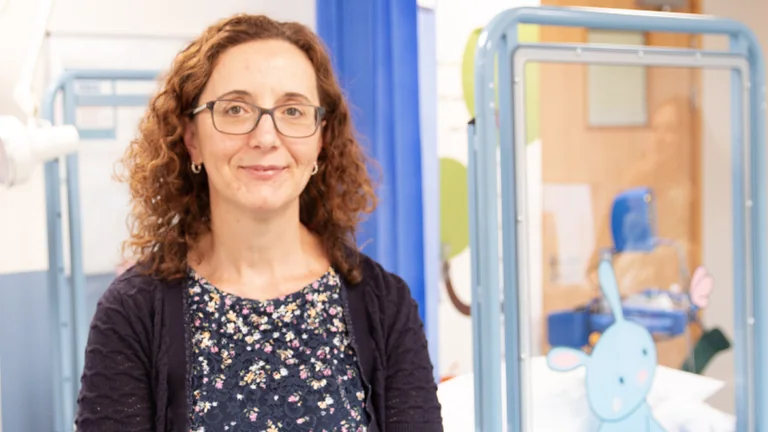
Dr Loredana Marcovecchio, the Cambridge trial lead and a consultant in paediatric diabetes and endocrinology, said preventing type 1 diabetes could reduce lifelong dependence on treatment. Dr Katarzyna Gajewska-Knapik, who leads INGR1D2 in Cambridge, said parents had responded positively to screening that requires no additional sample collection.
Recruitment is scheduled to continue until 2030
AVAnT1A aims to recruit more than 2,000 families across the UK, Austria, Belgium, Germany and Sweden. Cambridge University Hospitals is coordinating activity across the East of England.
Recruitment is expected to be completed by 2030, followed by several years of monitoring. Only those results can show whether the vaccinated group develops fewer islet antibodies or cases of type 1 diabetes than the placebo group.
Source: Cambridge University Hospitals News
Context & actions About this article
Source check Source trail
The article distinguishes the trial’s hypothesis from established findings and retains the published eligibility, monitoring and recruitment details.
- Checked the reported regional screening and recruitment figures against the source.
- Separated the observed association involving SARS-CoV-2 infection from the prevention hypo...
- Confirmed the stated participant ages, placebo design and follow-up period.
- Preserved the source’s distinction between INGR1D2 screening and AVAnT1A treatment.
- Source
- Cambridge University Hospitals News
- Scope
- East of England
- Updated
- 2026-07-21 14:22
Source check
Report a trust issue
Send a clear signal to community moderation if the source, facts or context need review.


Comments