Derby Local Plan puts 12,500 homes in focus
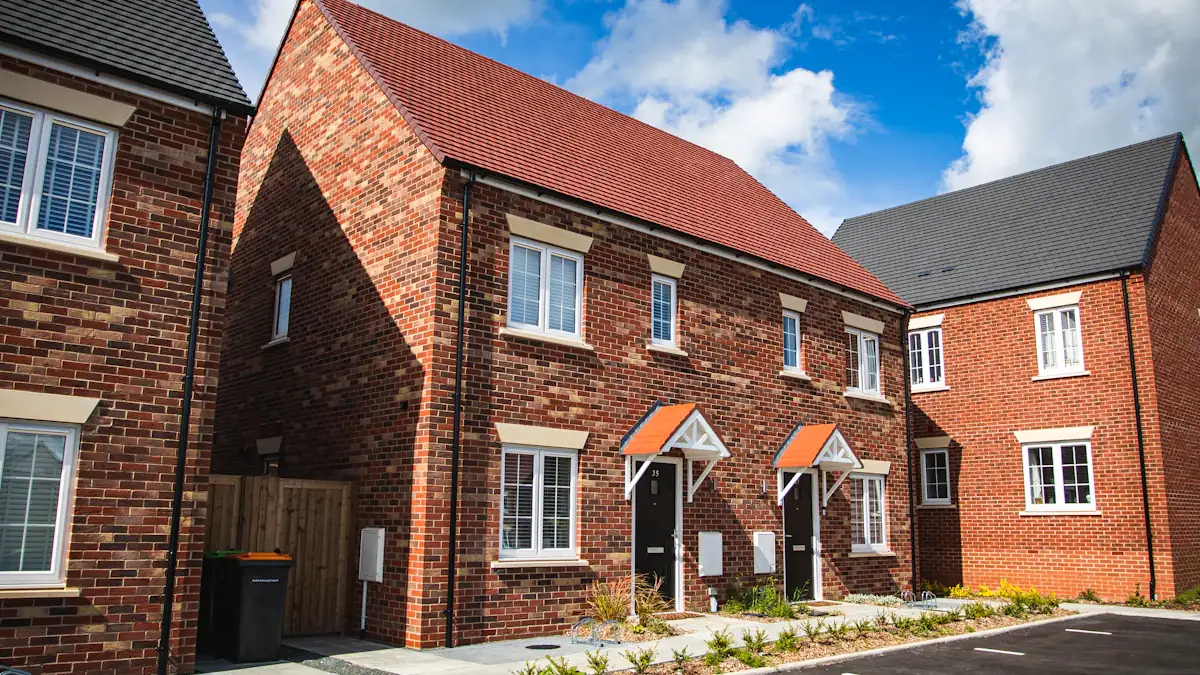
Derby’s proposed new Local Plan would make room for at least 12,500 homes by 2043, with at least 5,000 of them expected in the city centre. That scale is now heading back toward public consultation, after Derby City Council reviewed more than 500 responses from an earlier round in January.
The revised document is due to go before Derby Cabinet on Wednesday 10 June 2026. If Cabinet approves it for consultation, residents will get another formal chance later this year to comment on the plan that will shape where homes, jobs, green space and transport routes are protected or changed over the next two decades.
12,500 homes and 130 hectares for jobs
The housing target is the clearest number in the plan: at least 12,500 new homes across Derby up to 2043. The city centre would carry a large share, with at least 5,000 homes planned there, alongside growth in suburban areas including Littleover, Chaddesden, Spondon and Mickleover.
The plan also earmarks around 130 hectares of employment land. That means sites intended for businesses, workplaces and future job growth, including nationally significant locations such as Infinity Park Derby.
Those numbers do not mean every home or job site is already approved. A Local Plan sets the planning framework: it identifies where development should be directed, what land should be protected, and what policies will be used when future planning applications are judged.
Derby’s current plan runs until 2028, but the council says updated housing requirements and changing local needs mean a new strategy is needed before then.
Green Wedge and Green Belt objections shape the revision
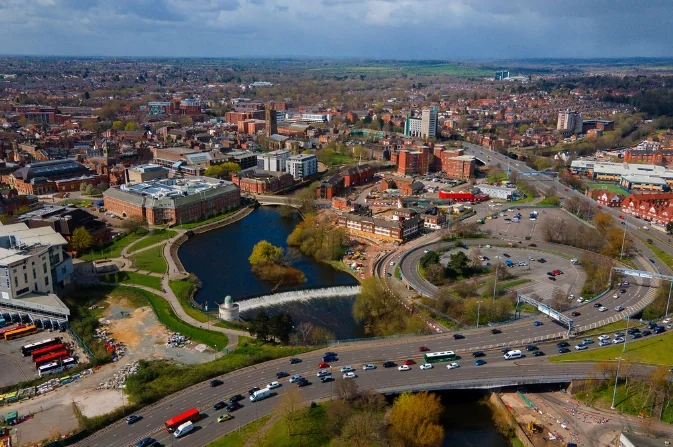
Green space was one of the strongest themes in the January consultation. The council says there was strong support for retaining the North Oakwood Green Wedge, also known as Chaddesden Wood.
By contrast, proposals involving the release of Green Belt land at Stoney Lane in Spondon attracted criticism. Green Belt and Green Wedge designations are not identical, but both carry weight for residents because they affect how far development can spread and which open spaces remain protected.
The revised Local Plan has been updated where possible after the consultation, according to the council, while still having to meet legal planning obligations. That caveat matters: public objections can influence policy wording and site choices, but they do not automatically remove a site if the council believes the wider plan would otherwise fail to meet required housing or accommodation needs.
A similar planning debate is playing out in other towns where regeneration and consultation overlap, including local harbour redevelopment proposals.
Wilmorton Traveller site drew the most objections
The proposed Gypsy and Traveller site at Wilmorton received the highest volume of objections in the earlier consultation.
Concerns raised included loss of green space, anti-social behaviour, infrastructure pressure, property values and the way consultation was handled. The council says the site was agreed by a cross-party working group and has been retained in the revised plan.
The reason given is the Gypsy and Traveller Accommodation Assessment from 2023, which identifies a need for 17 plots up to 2043. That places the Wilmorton proposal in a different category from ordinary housing allocations: the council is trying to show it has planned for a specific assessed accommodation need, not only general housing growth.
For residents, the next consultation will be the point at which objections, alternative evidence and comments on mitigation can be formally submitted again.
Transport routes and the city centre are part of the plan
Sustainable travel also featured prominently in the first consultation. Residents raised bus service quality and Active Travel, while the revised plan is expected to support stronger links between the university and the city centre.
The council also says former railway lines and canal routes should not be severed. That wording is significant because those corridors can be difficult to restore once development cuts across them.
The city centre strategy is not only about housing. The plan includes a retail-led regeneration approach intended to strengthen Derby as a destination for residents, workers and visitors. In planning terms, that means future decisions on homes, shops, workplaces and movement routes are likely to be judged together rather than as separate issues.
Cabinet decision comes before residents can respond again
Derby Cabinet is scheduled to discuss the revised Local Plan on Wednesday 10 June 2026. The council says papers are available through its democracy portal and the meeting can be watched live on YouTube.
Councillor Shiraz Khan, Cabinet Member for Housing, Strategic Planning, and Regulatory Services, said the Local Plan sets out Derby’s vision for housing, communities and employment growth over the next two decades.
“It’s only right that our proposals reflect the needs of the people of Derby,” he said, adding that residents’ earlier feedback had been considered and that they would soon have another chance to share their views.
Source: Derby City Council
Context & actions About this article
Source check Source trail
This article is based on Derby City Council’s published notice about the revised Local Plan and Cabinet consultation step.
- Checked the stated publication date of 3 June 2026.
- Matched the Cabinet meeting date to Wednesday 10 June 2026 as given in the council notice.
- Kept the housing, city centre homes and employment land figures to the source wording.
- Separated confirmed plan proposals from future consultation and planning decisions.
- Source
- Derby City Council
- Scope
- Derby
- Updated
- 2026-06-09 13:16
Source check
Report a trust issue
Send a clear signal to community moderation if the source, facts or context need review.




Comments