New ‘Clean Up Squads’ Proposed to Tackle UK Fly-Tipping
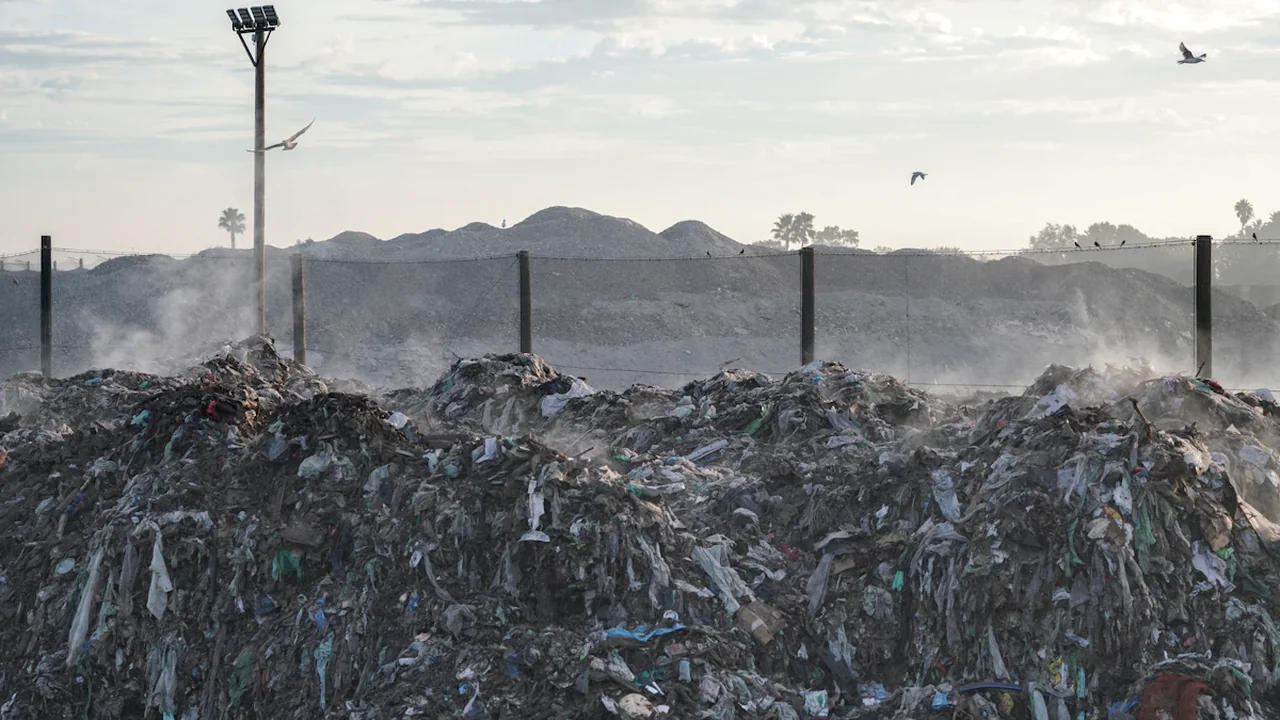
The UK government has launched a national public consultation regarding proposed powers that would require individuals caught fly-tipping to personally clean up the waste they have dumped. Spearheaded by the Department for Environment, Food & Rural Affairs (DEFRA), the initiative aims to shift the burden of environmental restoration from taxpayers to the offenders themselves.
Event and Consultation Details
This public consultation is currently open for participation, inviting feedback from residents, local authorities, and community stakeholders to help shape the implementation of these new enforcement measures.
- Status: Open for public feedback
- Venue: Online (via the official government portal)
- Deadline: 16 October 2026, at 23:59
- Cost: Free to participate
- Organizer: Department for Environment, Food & Rural Affairs
How the Proposed ‘Clean Up Squads’ Would Operate
The core of the proposal centers on the introduction of ‘clean up squads,’ which would grant local councils enhanced authority to address waste crime. Under the proposed framework, councils would be empowered to issue conditional cautions. These cautions would mandate that offenders complete up to 20 hours of unpaid work specifically dedicated to clearing up the waste they have illegally discarded.
Beyond manual labor, the plan includes mechanisms to allow councils to recover the financial costs of clean-up operations directly from the perpetrators. The government suggests that these measures are intended to streamline the enforcement process, potentially allowing local authorities to bypass lengthy court proceedings while ensuring that justice is served more efficiently.
Useful Details: Context and Broader Enforcement
These proposals arrive as part of a wider government strategy to combat waste crime. In July 2026, the government increased the maximum on-the-spot fines for fly-tipping to £5,000—a 400% increase from the previous £1,000 limit. Furthermore, local authorities have already received updated guidance on identifying and seizing vehicles involved in waste crime to assist in prosecution efforts.
In addition to the clean-up squads, the government has announced the formation of a new ‘Tackling Waste Crime Alliance.’ This body is designed to coordinate efforts between government agencies, the police, and local councils to create a more unified front against illegal dumping. A review is also currently underway regarding the potential to increase the level of Fixed Penalty Notices issued by the Environment Agency for waste-related offences.
Citizens and local stakeholders interested in the future of street enforcement and the management of public spaces are encouraged to review the full details of the proposals and submit their feedback through the official government website before the 16 October 2026 deadline.
Source: Department for Environment Food and Rural Affairs News
Context & actions About this article
Source check Official Government Consultation
This article is based on the official public consultation document released by the Department for Environment, Food & Rural Affairs on 20 August 2026.
- Verified consultation period (20 Aug - 16 Oct 2026)
- Confirmed proposal details regarding 20-hour clean-up requirements
- Cross-referenced with previous July 2026 fine-increase announcements
- Source
- Department for Environment, Food & Rural Affairs
- Scope
- United Kingdom
- Updated
- 2026-08-20 12:55
Source check
Report a trust issue
Send a clear signal to community moderation if the source, facts or context need review.
Comments