Cambridge trial offers Jack hope after treatments fail

One night, Jack Cope woke his partner, Chloe, because his face and throat felt swollen. When she switched on the light, the severity of the attack was immediately clear.
They reached hospital in time. “If I hadn’t woken up, I wouldn’t be here,” Jack said.
The 30-year-old joiner from Bedford has lived since birth with hereditary angioedema, or HAE. After every available preventive treatment failed to control his attacks, he joined an international clinical research trial at Addenbrooke’s Hospital in Cambridge.
A lifelong condition with unpredictable attacks
Hereditary angioedema causes sudden, painful swelling in different parts of the body. Jack’s attacks have affected his face, throat and stomach, sometimes leaving him vomiting, in severe pain and needing emergency treatment.
Throat swelling can be life-threatening. Jack said the episodes have become worse over time and frequently result in visits to A&E, making it difficult for him and Chloe to know when the next emergency might begin.

During an attack, Chloe effectively becomes his carer. The couple’s experience reflects how the condition affects more than the patient: she must recognise the danger, help Jack and respond quickly when swelling develops.
HAE has also affected earlier generations of Jack’s family. His grandmother once reached hospital after her tongue swelled, but then stopped breathing and suffered a cardiac arrest while unpacking. She was resuscitated with a defibrillator and spent time in intensive care on a ventilator.
Preventive treatments failed to control the swelling
Jack tried all the available treatments intended to prevent HAE attacks, but none worked for him. Before starting the trial, he also went through a difficult six-month period without medication to manage the condition.
That treatment history explains why access to a possible alternative matters to him. It does not establish that the trial medicine is effective: Cambridge University Hospitals has not named the treatment in its account or reported results from the study.
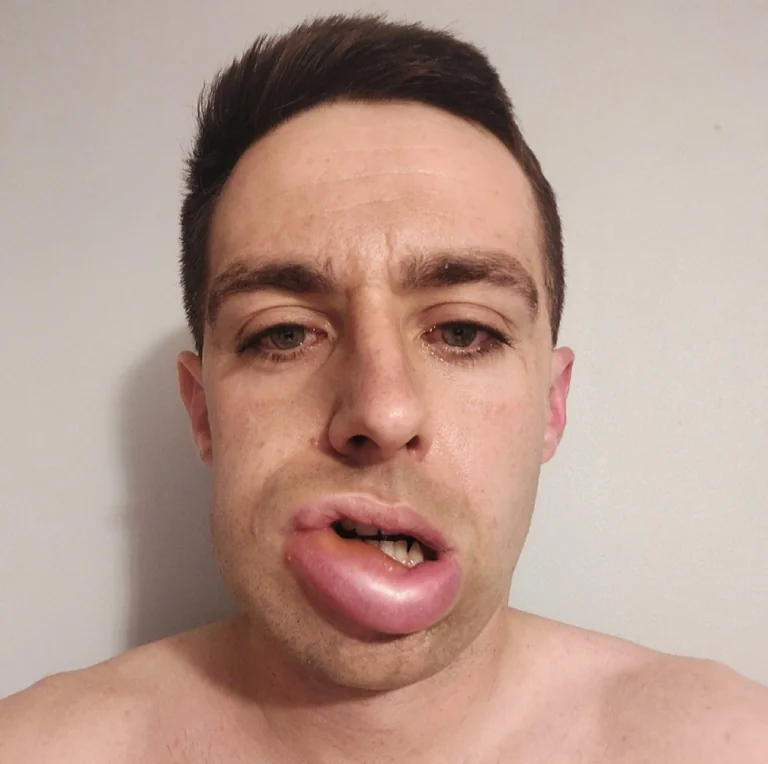
“If this can help me and stop anyone else from having to go through what I have, it’s a no-brainer,” Jack said.
He also sees participation in the context of what relatives endured when fewer options were available. Research has already changed care over successive generations, he said, and that history influenced his decision to volunteer.
Addenbrooke’s leads recruitment to the international trial
The clinical research trial is being supported by the NIHR. Dr Padmalal Gurugama, a consultant in clinical immunology and allergy at Cambridge University Hospitals, is leading its Cambridge arm.
Addenbrooke’s has recruited more participants to this particular trial than any other hospital, according to the hospital trust. Jack’s experience remains an individual account, and the supplied information does not include the study population, treatment results or a timetable for findings.
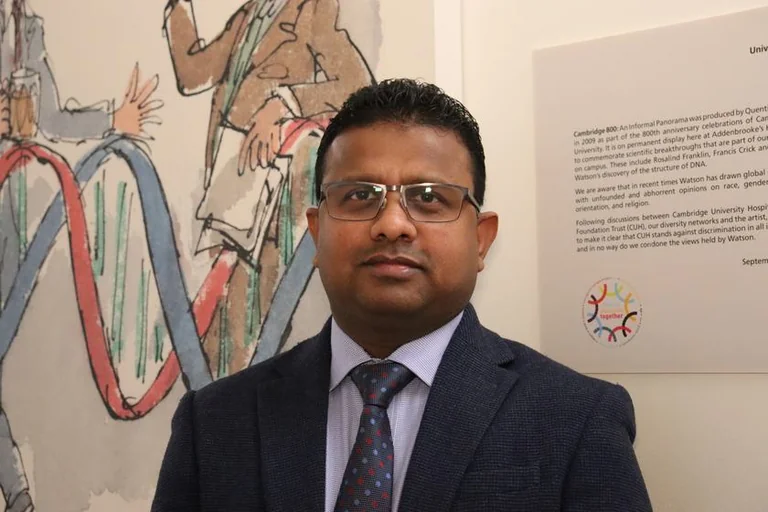
Research participation at the trust extends well beyond this one condition. Around 24,000 people joined more than 875 studies at Cambridge University Hospitals during the previous year. Across the East of England, more than 76,000 people took part in over 1,000 NIHR-supported studies.
Hospitals remained the main setting, accounting for 57,959 participants across 961 studies. Research conducted elsewhere included 10,112 participants through GP practices, 2,330 through schools and 207 in care homes.
Patients can search for opportunities to participate
Ruth Hudson, strategic development director at the NIHR Research Delivery Network in the East of England, said research depended on volunteers such as Jack and on health and care staff delivering studies across the region.
The network is supporting more research in community settings as well as hospitals. People interested in exploring available studies can use Be Part of Research, a free service for finding opportunities to participate in NIHR research.
Source: Cambridge University Hospitals News
Context & actions About this article
Source check Source trail
The personal account, clinical roles and participation figures were checked against information published by Cambridge University Hospitals.
- Jack Cope's age, occupation, condition and treatment history were retained as reported.
- The distinction between access to a trial and evidence that its treatment works was made e...
- The Cambridge and East of England research participation figures were reproduced from the...
- Professional titles and trial responsibilities were matched to the hospital's account.
- Source
- Cambridge University Hospitals News
- Scope
- Cambridge
- Updated
- 2026-08-18 18:55
Source check
Report a trust issue
Send a clear signal to community moderation if the source, facts or context need review.




Comments