UK students: health checks before freshers’ week

Students celebrating A-level results on 13 August are being urged to sort key health checks before moving away for university. The Medicines and Healthcare products Regulatory Agency (MHRA) says the weeks before freshers’ week are a practical window to check vaccinations, medicines and medical devices.
The advice also applies to young people taking a different route after results day. Phil Tregunno, MHRA Deputy Director of Patient Safety Monitoring, said preparing early can help students focus on settling into university life.
A pre-university health checklist
- Check Meningitis B protection: Meningitis B can be life-threatening and may have long-term effects. Students in halls or shared homes may be at particular risk because of close living and social contact. The MHRA says the Men B vaccine is the best protection and requires two doses, so students should contact their GP or local health centre promptly to understand MenB vaccine timing.
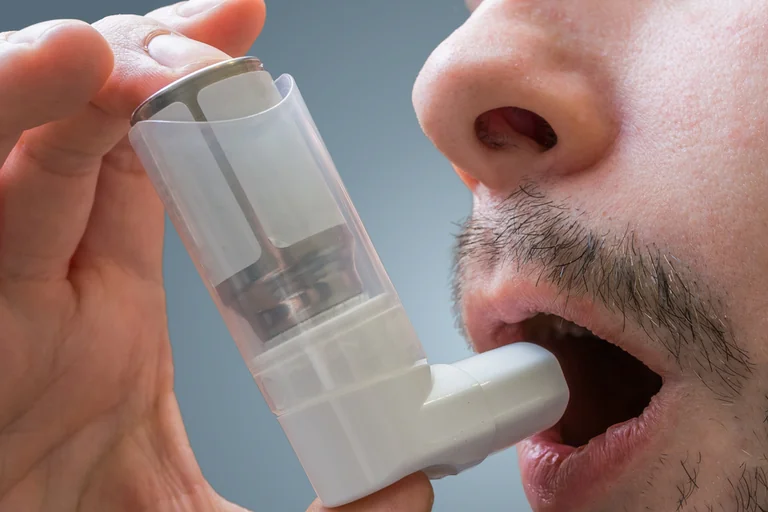
- Review asthma supplies: Check inhalers are in date and use them as prescribed. Preventer inhalers should be taken every day where prescribed, while reliever inhalers should be carried for symptoms. Students who use a spacer should make sure it travels with them.
- Count doses where needed: An inhaler without a dose counter can still contain residual liquid after its medicine doses have run out. Keep a tally and compare it with the dose number on the label so a replacement can be ordered in time.
- Carry two adrenaline auto-injectors: Anyone prescribed an AAI, such as an EpiPen or Jext, should carry two in-date devices, check expiry dates regularly and make sure they know how to use their particular type.
- Use antibiotics correctly: Colds and flu are caused by viruses, so antibiotics will not help. If antibiotics are prescribed, take the full course as directed. Unused medicines should be returned to a pharmacy rather than put in a bin, sink or toilet.
When to seek advice before leaving home
Students with asthma symptoms that are not improving with their inhaler should seek urgent medical help, the MHRA says. For everyday cold and flu symptoms, a local pharmacy can advise on easing symptoms.

The agency also asks patients to report suspected vaccine side effects through its Yellow Card reporting scheme. It says all UK vaccine batches are tested after approval and are monitored for safety once in use.
Source: Medicines and Healthcare products Regulatory Agency News
Context & actions About this article
Source check Source check
This article is based on the MHRA’s published advice for students preparing to move to university.
- Confirmed the publication date and issuing agency.
- Checked the Men B guidance, including the two-dose timing point.
- Checked the asthma inhaler, AAI and antibiotic-use advice.
- Retained the MHRA’s instruction to seek urgent help if an inhaler is not helping.
- Source
- Medicines and Healthcare products Regulatory Agency
- Scope
- United Kingdom
- Updated
- 2026-08-13 10:47
Source check
Report a trust issue
Send a clear signal to community moderation if the source, facts or context need review.



Comments