Type 2 diabetes is rising in England’s young adults
By demoduck.co.uk Health Desk
Source reviewed: Diabetes UK News and Views, published 29 July 2026.
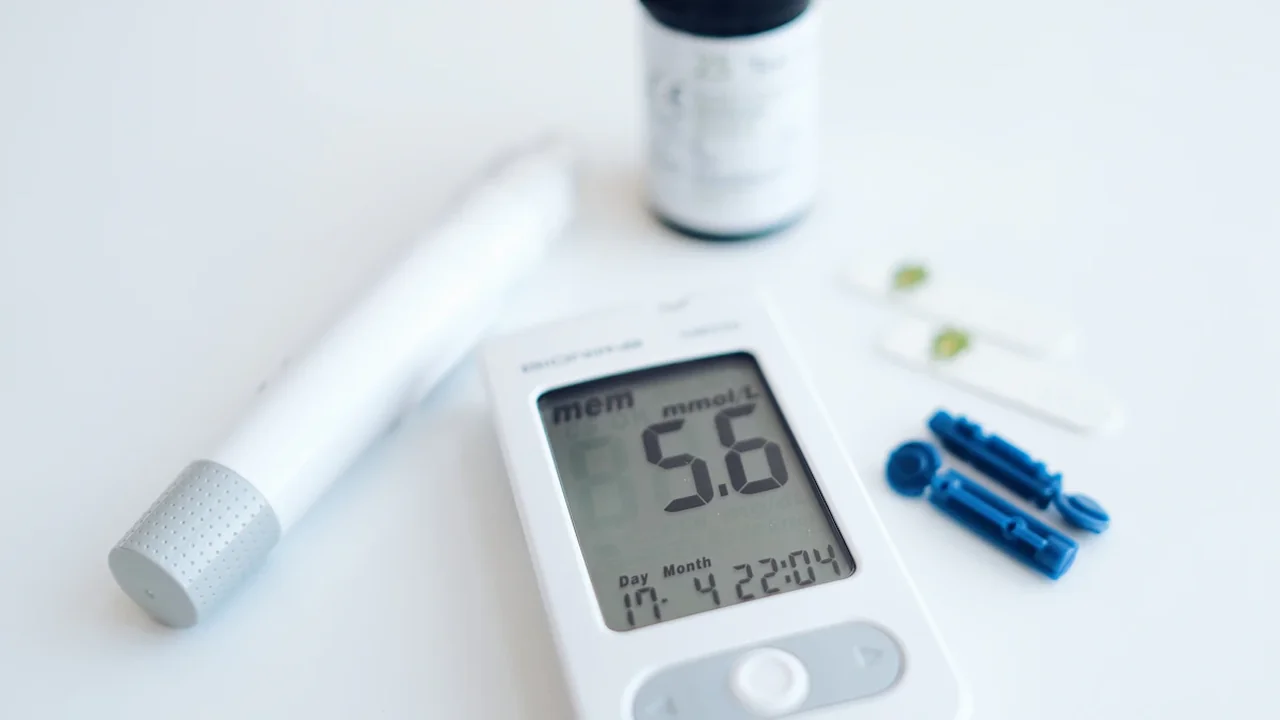
New type 2 diabetes diagnoses rose among adults under 40 in England between 2011 and 2024, moving in the opposite direction to the trend among adults aged 60–79. The steepest increases were recorded among women in their 20s and 30s, according to research using National Diabetes Audit data.
Diabetes UK highlighted the findings alongside a footwear study that tested whether leaving more space in a shoe protects the foot. That research found that larger gaps in front of the toes were associated with greater pressure beneath the big toe in people living with diabetes.
Under-40 diagnoses moved against the older-age trend
The audit-based study examined new diagnoses over 13 years. It identified a clear difference between younger and older age groups:

| Group | Direction reported |
|---|---|
| Adults under 40 | Diagnosis rates increased |
| Adults aged 60–79 | Diagnosis rates declined |
| Women in their 20s and 30s | Steepest increases recorded |
The Diabetes UK review did not provide the exact percentage change for each group, so the comparison shows the direction of the trends rather than their scale.
Younger adults also tended to have higher body mass indexes at diagnosis than people diagnosed later in life. BMI at diagnosis increased more rapidly among younger adults during the decade studied, suggesting that rising obesity levels may be contributing to early-onset type 2 diabetes.
That association does not establish a single cause. Diabetes UK notes that type 2 diabetes risk reflects a combination of biological, behavioural, social and environmental factors.
Women in their 20s and 30s saw the sharpest increase
People from Black and South Asian backgrounds remained disproportionately affected, but rising early-onset diagnoses were also found in White populations. This means the changing age profile was not confined to one ethnic group.
An earlier diagnosis can mean living with type 2 diabetes and its effects for more years. Diabetes UK says the condition is often more aggressive when it develops at a younger age, increasing the risk of serious complications and shortening life expectancy.
The findings support a more tailored approach to prevention rather than treating adults under 40 as one uniform group. Diabetes UK identified younger people and women who have experienced gestational diabetes among those who may be underserved by existing prevention programmes.
Larger toe gaps raised pressure beneath the big toe
In separate research funded by Diabetes UK, Dr Petra Jones asked people living with diabetes to walk in shoes with gaps of between 0.5cm and 2cm from the longest toe to the end of the shoe. Researchers measured pressure beneath different areas of the foot while participants walked.
Larger gaps were linked to higher pressure beneath the big toe. In some tests, pressure reached levels previously associated with an increased risk of diabetes-related foot ulcers. The experiment measured pressure under controlled conditions; it did not establish that a particular gap would cause an ulcer.

Researchers also examined the footwear participants normally used. More than three-quarters were wearing shoes of the wrong length, while almost half had shoes of the wrong width. Those proportions describe the study group and should not be treated as estimates for everyone living with diabetes.
No universal toe-gap measurement has been set
The findings challenge the assumption that additional room is always safer, but they do not establish a new recommended toe gap. Diabetes UK says the ideal amount of space remains unclear.
The existing footwear advice cited in the review is to choose well-fitting shoes with sufficient width and a deep or rounded toe area. Shoes that are too tight, too loose or cause rubbing can increase the likelihood of foot damage.
Researchers believe the pressure findings could help refine future footwear guidance and efforts to reduce diabetes-related foot ulcers. The study was published in Diabetic Medicine.
Source: Diabetes UK News and Views
Context & actions About this article
Source check How this report was checked
The figures, study periods and research caveats were checked against Diabetes UK’s July 2026 research review.
- Confirmed that the diagnosis analysis covered National Diabetes Audit data from 2011 to 20...
- Preserved the distinction between associations involving BMI or shoe space and proof of ca...
- Used only the reported footwear measurements and fit proportions without inventing an idea...
- Confirmed that the footwear research was reported as published in Diabetic Medicine.
- Source
- Diabetes UK News and Views
- Scope
- England
- Updated
- 2026-08-03 17:29
Source check
Report a trust issue
Send a clear signal to community moderation if the source, facts or context need review.




Comments