Liverpool training helps LGBTQ+ suicide prevention
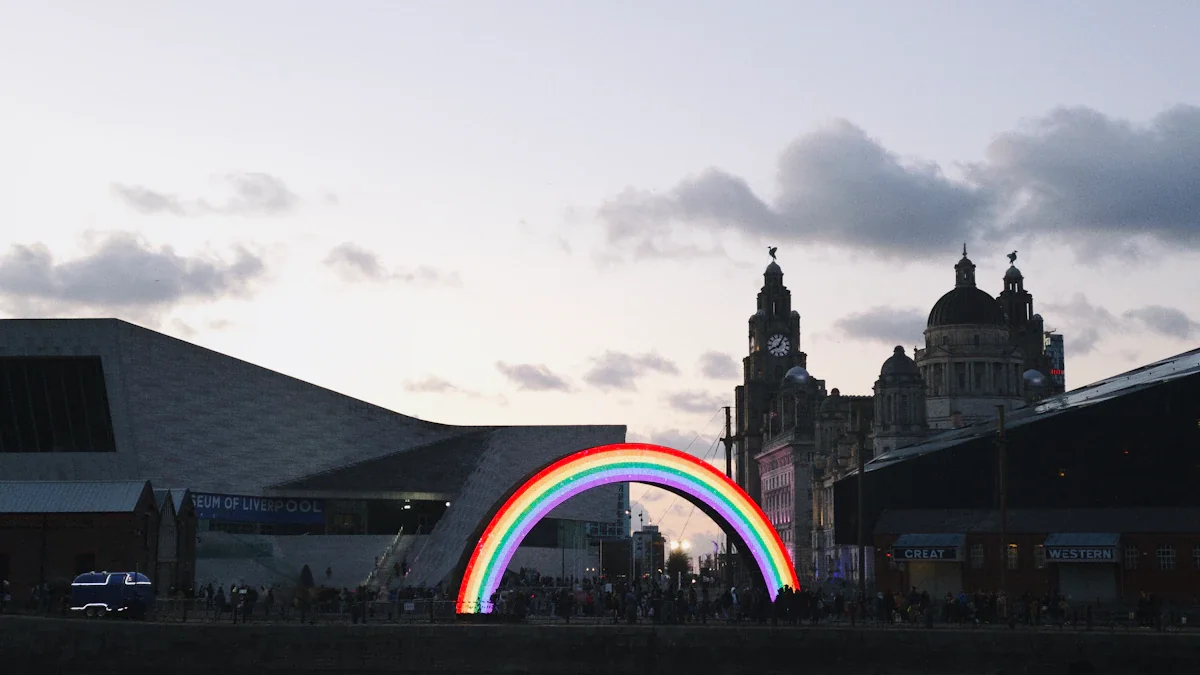
A free online LGBTQ+ suicide awareness training course has been launched to help people in Liverpool and beyond hold safer, more confident conversations with anyone who may be struggling with their mental health.
The course has been developed by the Zero Suicide Alliance in partnership with Liverpool City Council, with input from Mersey Care NHS Foundation Trust and people with lived experience. It is designed for anyone who wants to recognise signs of distress, respond with compassion and avoid silence when they are worried about saying the wrong thing.
The training is now available free of charge at www.zerosuicidealliance.com/lgbtq-suicide-awareness-training.
Free online course shaped by LGBTQ+ lived experience
The Zero Suicide Alliance said the training brings together community voices, clinical insight and practical guidance. Its focus is not on turning learners into clinicians, but on helping them feel better prepared for a difficult conversation.
The course covers factors that can affect suicide risk within LGBTQ+ communities, including stigma, discrimination and isolation. It also looks at how shame or fear of judgement can make it harder for someone to reach out before a crisis deepens.
Dr Claire Iveson, Consultant Clinical Psychologist and Associate Director for Suicide Prevention, Quality Practice and ZSA at Mersey Care NHS Foundation Trust, said many people worry about “saying the wrong thing” and can end up saying nothing. She said the course aims to help people recognise when someone may be struggling and “reach in with care and compassion”.
That framing matters for families, friends, colleagues, volunteers, community groups and frontline staff. Many people will never be the formal first point of contact for mental health support, but they may be the person who notices a change, asks a direct question or stays present while someone decides what help they need.

Safer conversations for families, workplaces and community groups
The training is likely to be relevant to a wide range of people across Liverpool, including employers, youth workers, education staff, health and care workers, faith and community leaders, sports clubs, charities and anyone with LGBTQ+ relatives or friends.
It may also help organisations review how they respond when someone discloses poor mental health. A safer conversation can include listening without judgement, avoiding assumptions about identity, taking distress seriously and knowing when to encourage urgent support.
Councillor Harry Doyle, Liverpool’s Cabinet Member for Health, Wellbeing and Culture, said LGBTQ+ people can face discrimination, stigma and other challenges that affect mental health. He said the training had been co-developed with the LGBTQ+ community and supported by clinical expertise.
The practical value is in confidence. Someone who has completed awareness training may be more likely to ask a clear, caring question rather than avoid the subject. They may also be better prepared to signpost support, respect privacy and stay calm during a conversation that feels emotionally difficult.
Liverpool suicide prevention work adds a local public health focus
Liverpool City Council has described suicide prevention as a key priority. Anne Marie Lubanski, Deputy Chief Executive and Corporate Director of Adult Care and Health at the council, and Chair of Liverpool’s Strategic Suicide Prevention Forum, said the city recognises that LGBTQ+ communities can face additional challenges linked to stigma, discrimination and isolation.
She said the course brings together lived experience, research and clinical expertise, with the aim that people feel seen, supported and able to access help when needed.

The work also has a wider Cheshire and Merseyside link. Dr Rory McGill, Director of Public Health at Sefton Council and lead Director of Public Health for Cheshire and Merseyside for Suicide Prevention, said stigma can stop people reaching out and that discussions about suicide need to feel safe.
For public health teams, the issue is not only crisis response. Prevention depends on everyday settings where people feel able to speak before harm escalates: homes, workplaces, schools, community venues, GP practices and peer networks.
How the training can be used in practice
The course can be completed by individuals, but it may have the strongest effect when used as part of wider organisational practice. A workplace, charity or community group could ask staff and volunteers to complete it, then review how they respond to mental health disclosures, bullying, isolation or concerns about suicide risk.
It should not replace professional mental health care or emergency help. Its role is awareness: helping people listen, notice warning signs, start a compassionate conversation and support someone toward appropriate help.
Mike Skegg, founder of The Collaborative Network CIC, said he became more aware of the need for open conversations about mental health after losing his business partner. He said the training brings together lived experience and practical guidance in a thoughtful way.
The free course is available now through the Zero Suicide Alliance website.
Source: Liverpool City Council
Context & actions About this article
Source check Source trail
This article was prepared from Liverpool City Council material and checked for the named organisations, speakers and stated training purpose.
- Confirmed the course is described as free and online.
- Checked the partnership between Zero Suicide Alliance and Liverpool City Council.
- Matched named contributors to the roles stated in the source material.
- Kept the practical advice within the awareness-training scope described by the source.
- Source
- Liverpool Express
- Scope
- Liverpool
- Updated
- 2026-06-07 22:01
Source check
Report a trust issue
Send a clear signal to community moderation if the source, facts or context need review.




Comments