How North East Teens Made Their Own 1950s Culture: what residents need to know
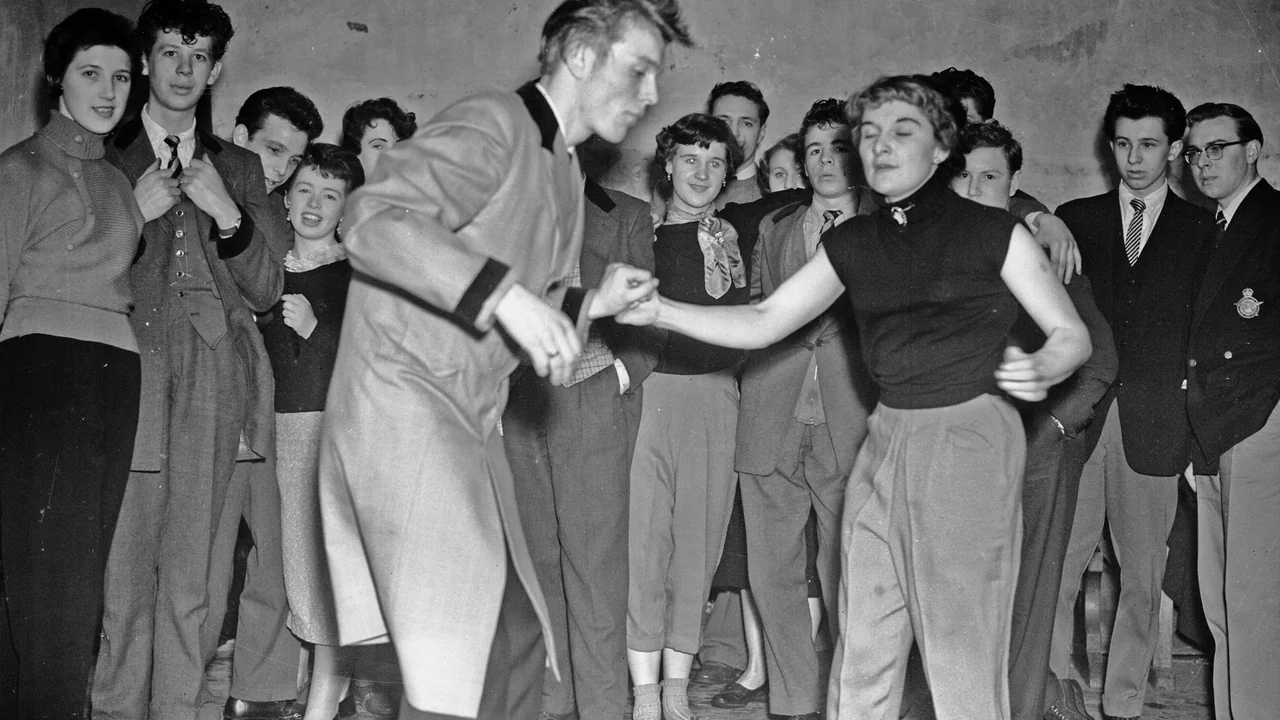
Beamish Museum’s oral histories and costume collection show how teenagers in the North East built a distinct social life in the late 1950s, from full skirts and velvet-collared jackets to dances, cinemas and ice cream shops. Assistant Curator Anna Robson drew on interviews, clothing and Durham Advertiser photographs to explore how young people found their place amid fast-changing fashions and music.
Clothes signalled changing youth styles
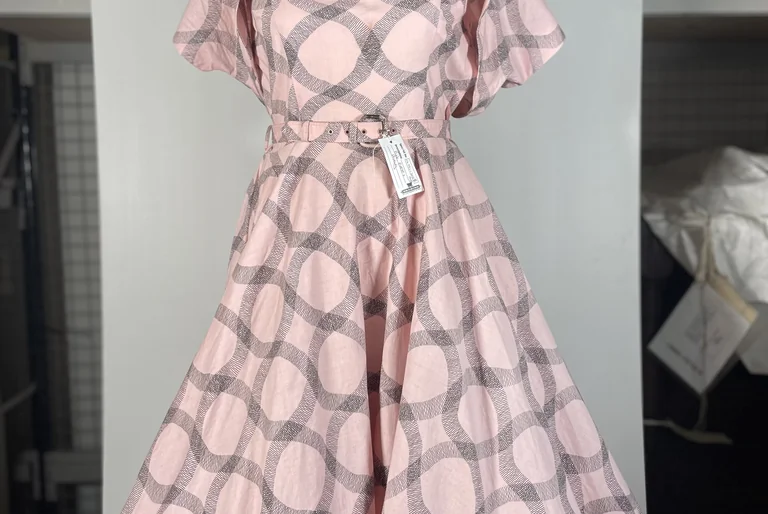
Wallsend teenager Veronica Summers remembered the “Bobby Soxer” look: white socks and colourful sand shoes. She said she did not wear the hair ribbons and full skirts associated with the style. Other interviewees described net petticoats under flared skirts, belts at the waist and dresses that girls sometimes made at home with their mothers.
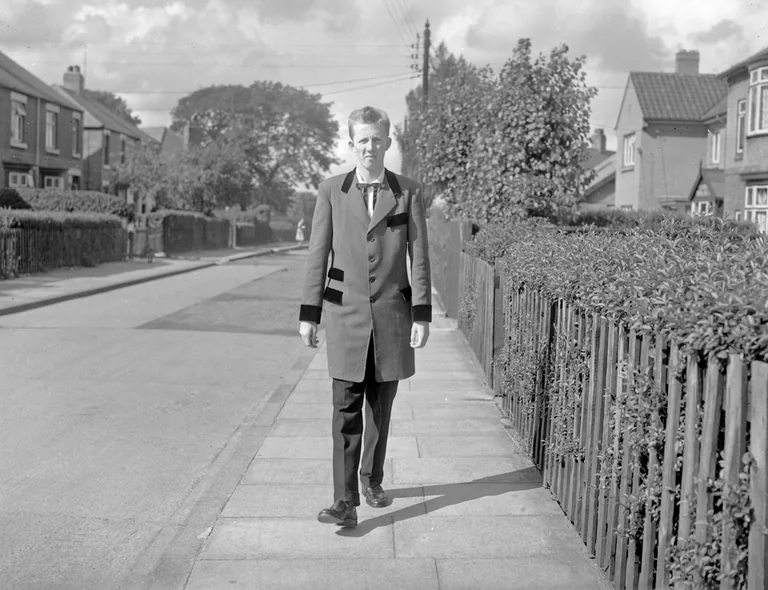
The collection includes a dress with a petticoat, belt and bolero. Summers recalled pointed shoes and stilettos arriving around 1956, calling them smart despite the discomfort. These feminine shapes sat alongside the Teddy Boy look: long jackets with velvet collars, narrow “drainpipe” trousers and thick-soled shoes. Interviewees also remembered the Mod style beginning to appear in the late 1950s and early 1960s.
Dances, cinemas and shops brought teens together
Local venues gave young people places to meet. Beamish’s 1950s Town includes a café, fish shop, hairdresser, record shop and cinema, reflecting the kinds of businesses that featured in teenage social life.
Jean McEwan, who grew up in Dipton, remembered dances at Castles Ballroom in Annfield Plain. Her first Monday evening dance ran from 7pm to 10pm, and her mother allowed her to go on the condition she caught the 10.15pm bus home. Summers recalled younger teenagers having to leave dances at nine, while older ones could stay later. After dancing, McEwan and her friends would get fish and chips.

Cinemas were another regular meeting place. McEwan recalled three in Stanley: the Solado, Pavilion and Albert. Neli Graham, whose Italian family ran an ice cream shop, remembered young people gathering there for ice cream, coffee or Oxo.
Rock ’n’ roll reached local dance halls
Oral histories describe live bands playing at dances as rock ’n’ roll gained ground in the late 1950s. Garry Huntington of Shildon remembered seeing Rock Around the Clock when it arrived in Bishop Auckland. Jukeboxes, radios, televisions and gramophone players also helped bring new music and entertainment into everyday life.
The Remaking Beamish project’s interviews capture how these changes played out in local lives: teenagers adopted new styles and sounds while still navigating family rules about clothes and curfews.
Source: Beamish Museum News
Context & actions About this article
Source check Source notes
This feature draws on Beamish Museum’s oral histories, costume collection and archive photographs, as described by Assistant Curator Anna Robson.
- Attributions and quoted recollections are drawn from the supplied Beamish Museum account.
- The local examples are identified with the places named in the oral histories.
- The article distinguishes interviewees’ memories from details about items in the museum co...
- Source
- Beamish Museum News
- Scope
- North East England
- Updated
- 2026-10-12 12:55
Source check
Report a trust issue
Send a clear signal to community moderation if the source, facts or context need review.


Comments